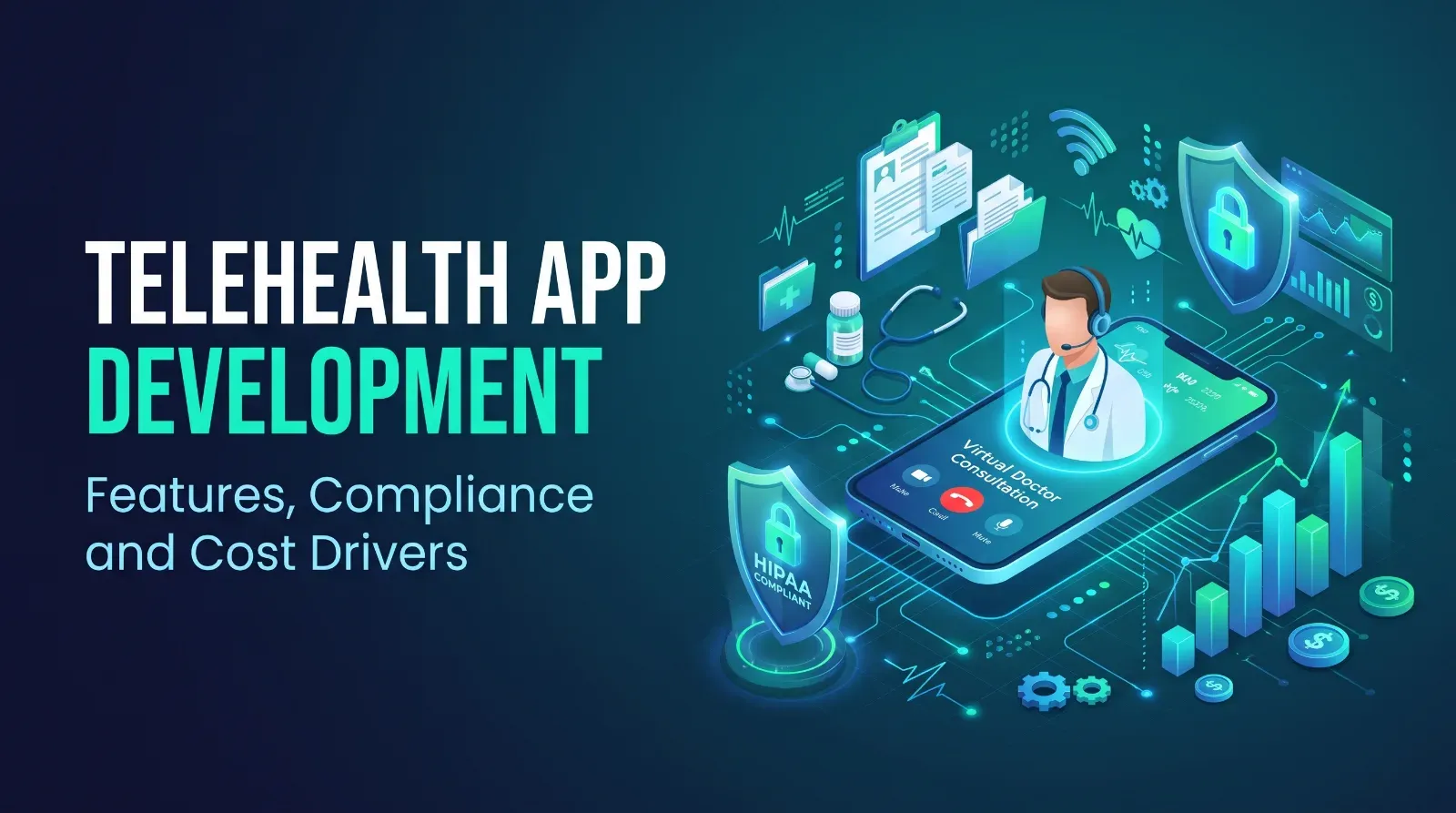
Telehealth App Development: Features, Compliance and Cost Drivers
Telehealth apps connect patients and providers remotely. Here are the features, compliance points and cost drivers to plan for.
DevGlim Team
November 25, 2026
Looking to build this instead of buying it? See our Industry Management Systems service →
Telehealth has moved from a convenience to a standard part of care. Clinics, therapists, specialists and wellness providers all use remote visits. If you are considering your own telehealth app, you need to plan for more than video calls. Privacy, reliability and workflow all matter.
Core features of a telehealth app
- Patient registration and profiles: secure sign-up, identity checks and consent.
- Scheduling: book, reschedule and cancel appointments with reminders.
- Video consultations: reliable audio and video with a simple join experience on any device.
- Secure messaging: messages and file sharing between patients and providers.
- Provider tools: calendars, notes, visit history and follow-up tasks.
- Payments and billing: collect fees or integrate with insurance workflows where relevant.
- Notifications: email, SMS or push reminders for visits and tasks.
- Admin dashboard: manage providers, schedules, reports and settings.
Many practices also want a patient portal alongside visits. See Custom Patient Portal Development for features and compliance in that area.
Privacy and compliance
Health data is sensitive. Depending on where you operate, you may need to follow rules such as HIPAA in the United States or GDPR in Europe, plus local telehealth and licensing laws. Common technical measures include:
- Encryption of data in transit and at rest.
- Role-based access and detailed audit logs.
- Secure authentication, including multi-factor options.
- Agreements with vendors that handle patient data.
- Clear policies for retention, consent and deletion.
This article is general information, not legal advice. Work with a qualified compliance professional for your situation. Even simple elements such as web forms need care, as explained in HIPAA-Compliant Contact Forms for Medical Websites.
Integrations to consider
- Electronic health record (EHR) or practice management systems.
- Payment processors and billing tools.
- Calendar and reminder services.
- Lab, pharmacy or e-prescribing systems where permitted.
What drives the development cost
- Scope: the number of features, user roles and platforms (web, iOS, Android).
- Video approach: using a trusted video service is usually faster than building your own.
- Compliance requirements: stronger security, audits and documentation add effort.
- Integrations: each external system adds design and testing.
- Design and accessibility: simple, accessible interfaces for patients of all ages take care.
- Testing and support: reliability matters when care is delivered remotely.
Start with a focused first version
Choose one patient group and one clear journey, for example booking and attending a follow-up visit. Launch that well, gather feedback and then add messaging, payments or integrations. For a view of broader needs, read Custom Healthcare Software Solutions: What Clinics and Practices Actually Need.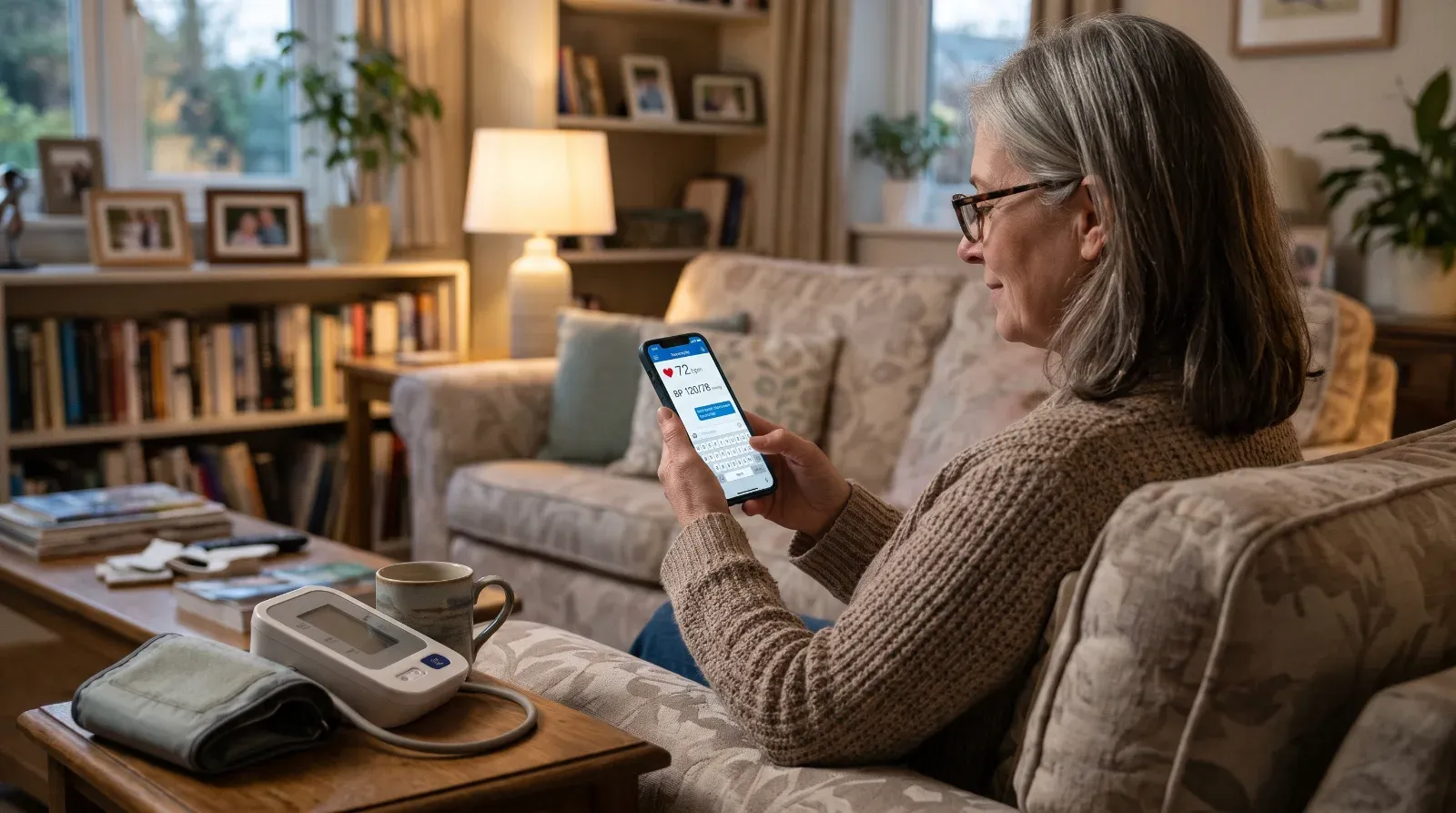
Conclusion
A successful telehealth app is dependable, simple for patients and compliant by design. Plan privacy from the first day, start small and expand based on how real patients and providers use it.