Learning Management Systems for Businesses: Solving Scattered Training Content
How a custom learning management system fixes scattered training materials, poor completion tracking, and disengaged employees.
DevGlim Team
September 10, 2026
Looking to build this instead of buying it? See our Industry Management Systems service →

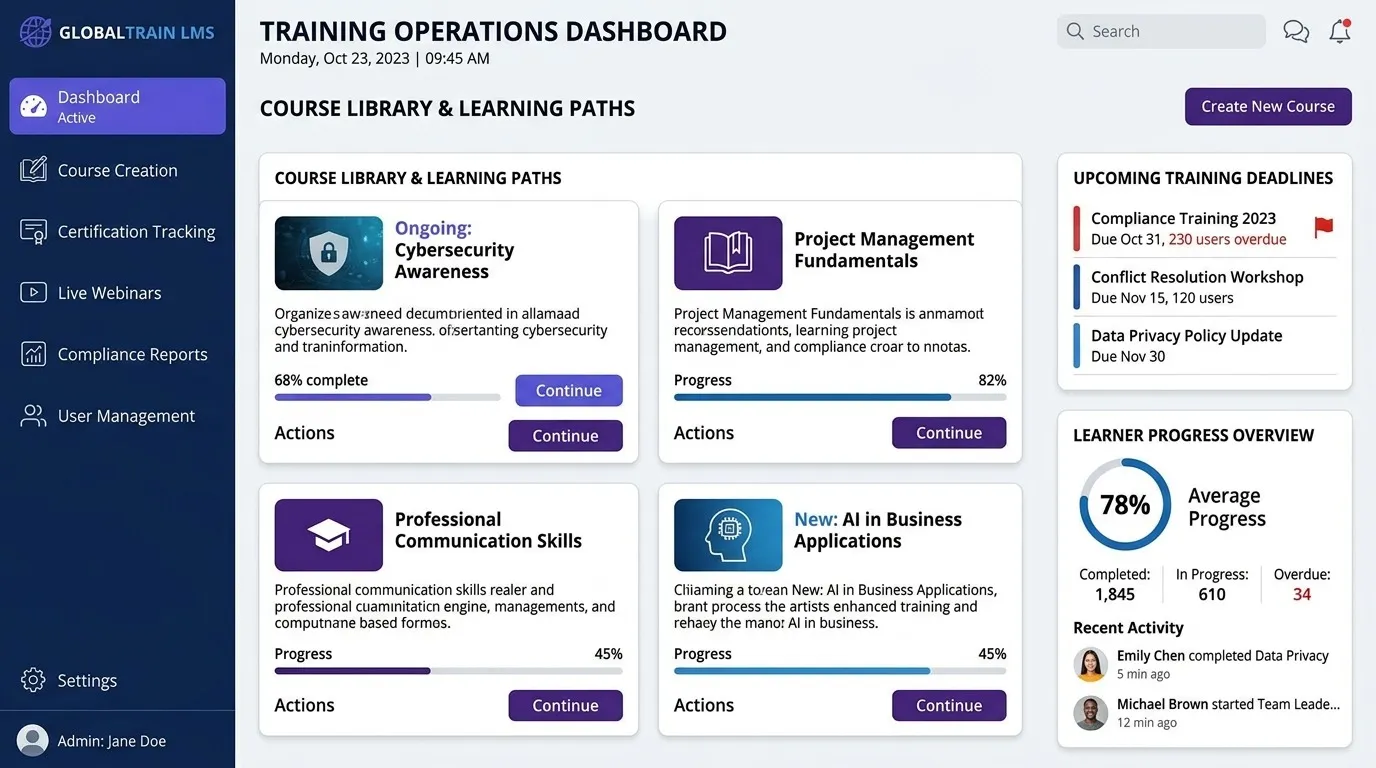
Many growing businesses manage employee training through a mix of shared drives, PDFs, and email reminders—with no reliable way to track who actually completed what. A proper learning management system for businesses centralizes course content, tracks completion, and removes the manual chasing that scattered training creates.
A Real-World Example: From Shared Folders to Tracked Learning
DevGlim's own EduVerse project reflects this common pattern. An organization previously distributed training materials via shared folders and email, with no systematic way to confirm completion or measure comprehension. After implementing a custom learning management for a business platform with structured courses, progress tracking, and completion certificates, administrators gained clear visibility into who completed required training—removing the manual follow-up that scattered materials required.
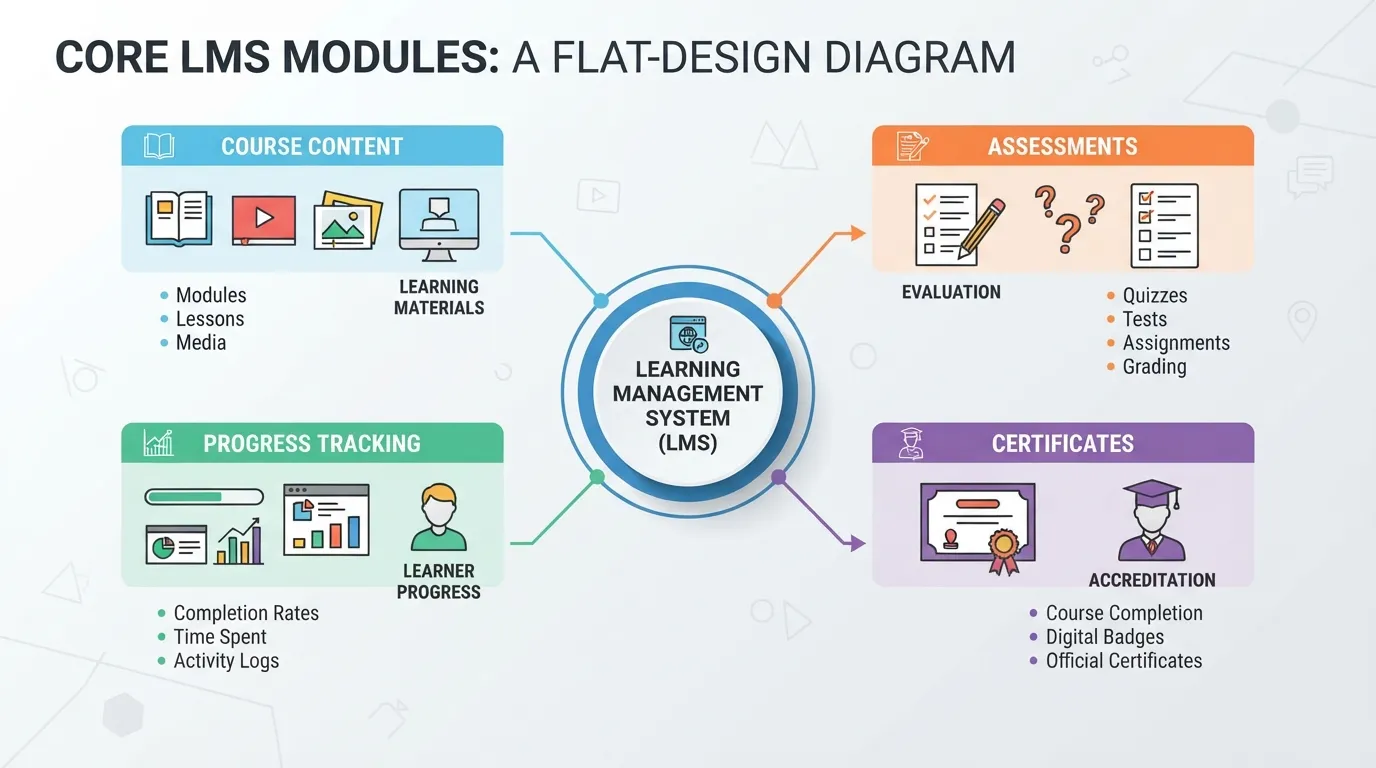
Core Problems an LMS Solves
1. Scattered Training Materials
Centralizing content into one platform removes the confusion of outdated files spread across shared drives and email threads.
2. No Completion Tracking
Without a system, administrators can't easily confirm who finished required training—an enterprise learning system tracks this automatically.
3. Inconsistent Onboarding
New employee training often varies by manager or department without a standardized system in place; an LMS ensures every new hire receives the same structured content.
4. No Way to Measure Comprehension
Built-in quizzes and assessments confirm understanding, rather than just confirming a document was opened.
Off-the-Shelf LMS vs. Custom-Built
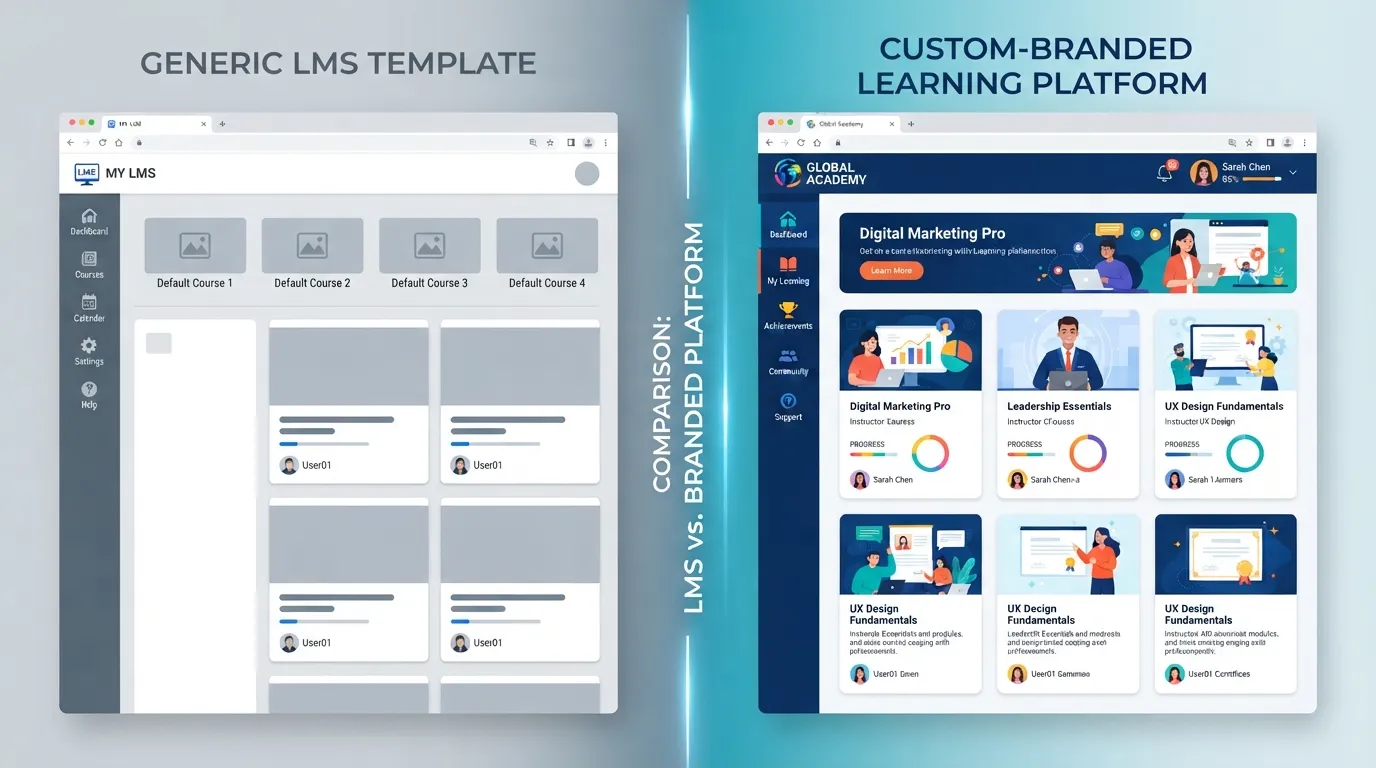
Feature Off-the-Shelf LMSCustom-Built LMS Branding Limited to template themes Fully matches your organization's brand integration Limited to supported HR/tools Connects directly to your existing systems Course structure: fixed templates Built around your specific training needs pricing Per-user recurring fees One-time build, no per-seat scaling costs Our complete guide to SaaS covers relevant architecture decisions if you're deciding whether to build your LMS as a hosted platform.
Frequently Asked Questions
Is a custom LMS worth it for a small business?
Once manual tracking starts causing missed compliance training or inconsistent onboarding, most businesses find a dedicated system pays for itself in reduced administrative time.
Can an LMS integrate with existing HR software?
Yes—custom LMS platforms are commonly built to sync with existing HR systems for automatic enrollment based on role or department.
How long does it take to build a custom LMS?
Timelines vary by scope, but a focused system with course management and tracking typically takes several weeks to a few months to build and launch.
What's the difference between an LMS and simply hosting PDFs online?
An LMS provides structured tracking, assessments, and completion records—hosting files alone doesn't confirm whether someone actually engaged with or understood the material.
Final Thoughts
Scattered training materials might work temporarily for a small team, but as a business grows, tracking completion and ensuring consistency becomes unmanageable without a proper system. A custom LMS solves this directly, with visibility that manual tracking never provides.
Ready to Build a Custom Learning Management System?
DevGlim builds custom LMS platforms tailored to your organization's specific training needs. See our SaaS development services or get in touch to discuss your requirements.