Veterinary Practice Management Systems: Fixing Clinic Chaos with Custom Software
Generic veterinary practice management systems force clinics to bend their workflow around the software. Custom systems do the opposite — and here's what that actually looks like.
DevGlim Team
September 15, 2026
Looking to build this instead of buying it? See our Industry Management Systems service →
Most clinics don't choose their veterinary practice management systems — they inherit them, usually from whatever a previous owner licensed years ago. The result is a patchwork of scheduling tools, paper charts, and spreadsheets duct-taped together, and staff who spend more time fighting the software than treating animals. A veterinary practice management system should reduce that friction, not add to it, but most off-the-shelf platforms are built for the average clinic that doesn't exist. As veterinary practices grow into multi-location groups, add specialty services, or simply outgrow the tools they started with, the gap between what generic software offers and what a real clinic actually needs only widens.
A Real-World Example
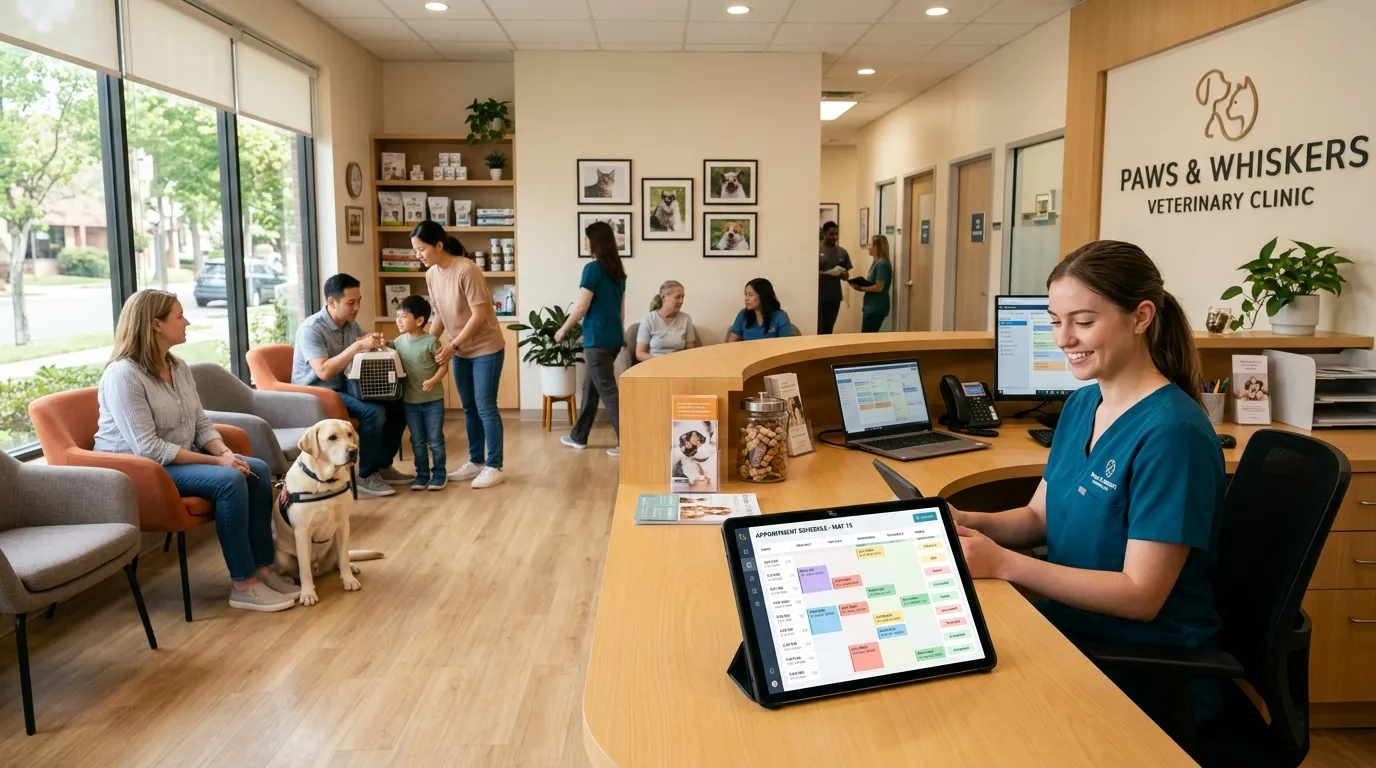
Consider a multi-location pet care operation juggling appointment scheduling, medical records, inventory for medications and supplies, and client communication across several sites. That's roughly the challenge devglim solved with PetCare Plus, built to give clinic staff one system instead of five. Before a project like this, a typical clinic runs appointments through one tool, medical records through another, and reminders through a third — none of which talk to each other. Staff re-enter the same patient information three or four times a day, and small mistakes, like a missed vaccination reminder or a double-booked exam room, turn into real problems for the animals in their care.
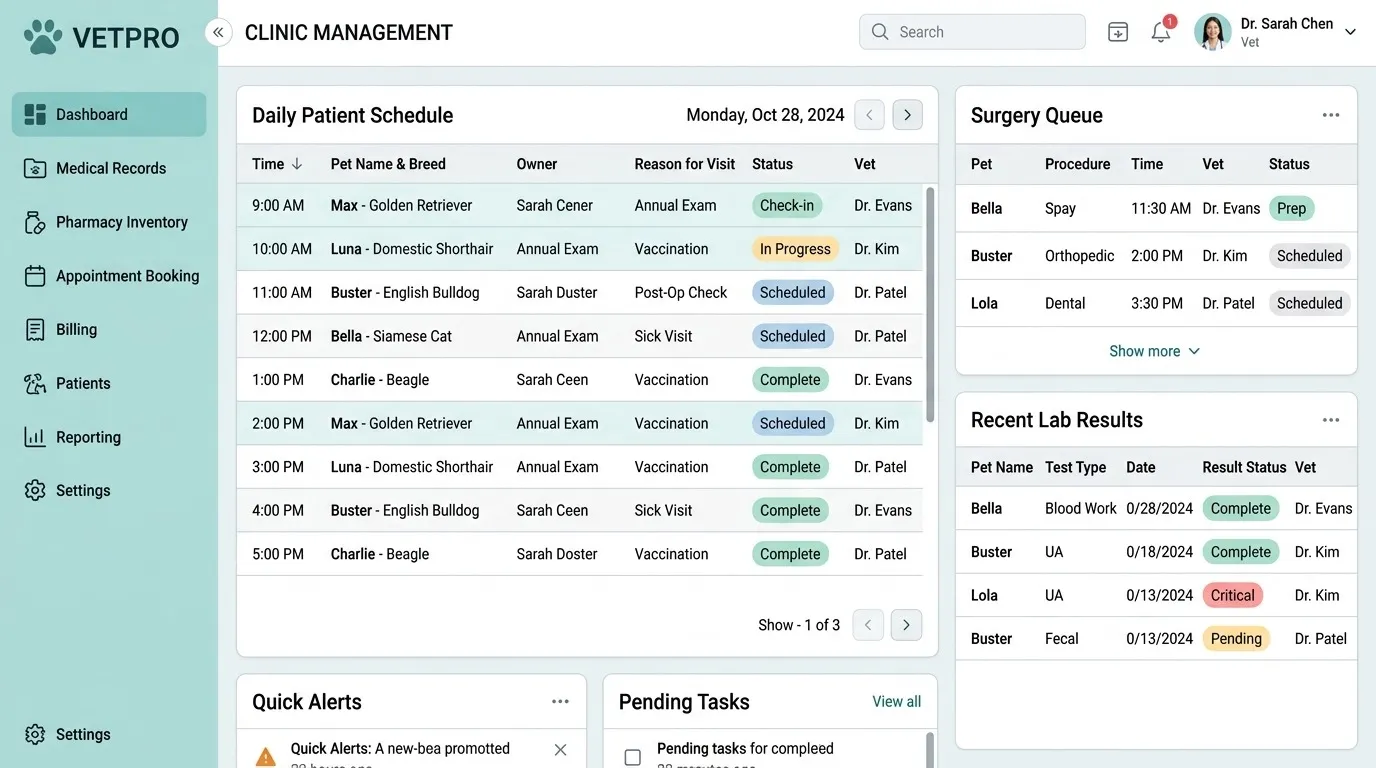
A unified system pulls scheduling, records, billing, and inventory into one interface, so a front-desk staffer can check a patient's history, confirm an appointment, and flag an overdue vaccine without switching between four logins. For a multi-location operation, this also means ownership can finally see performance across every site from one dashboard, rather than pulling separate exports from each location's disconnected tools and manually reconciling them at the end of the month. That kind of consolidated visibility is often the difference between a practice that can confidently open a second or third location and one that's too buried in administrative overhead to consider it.
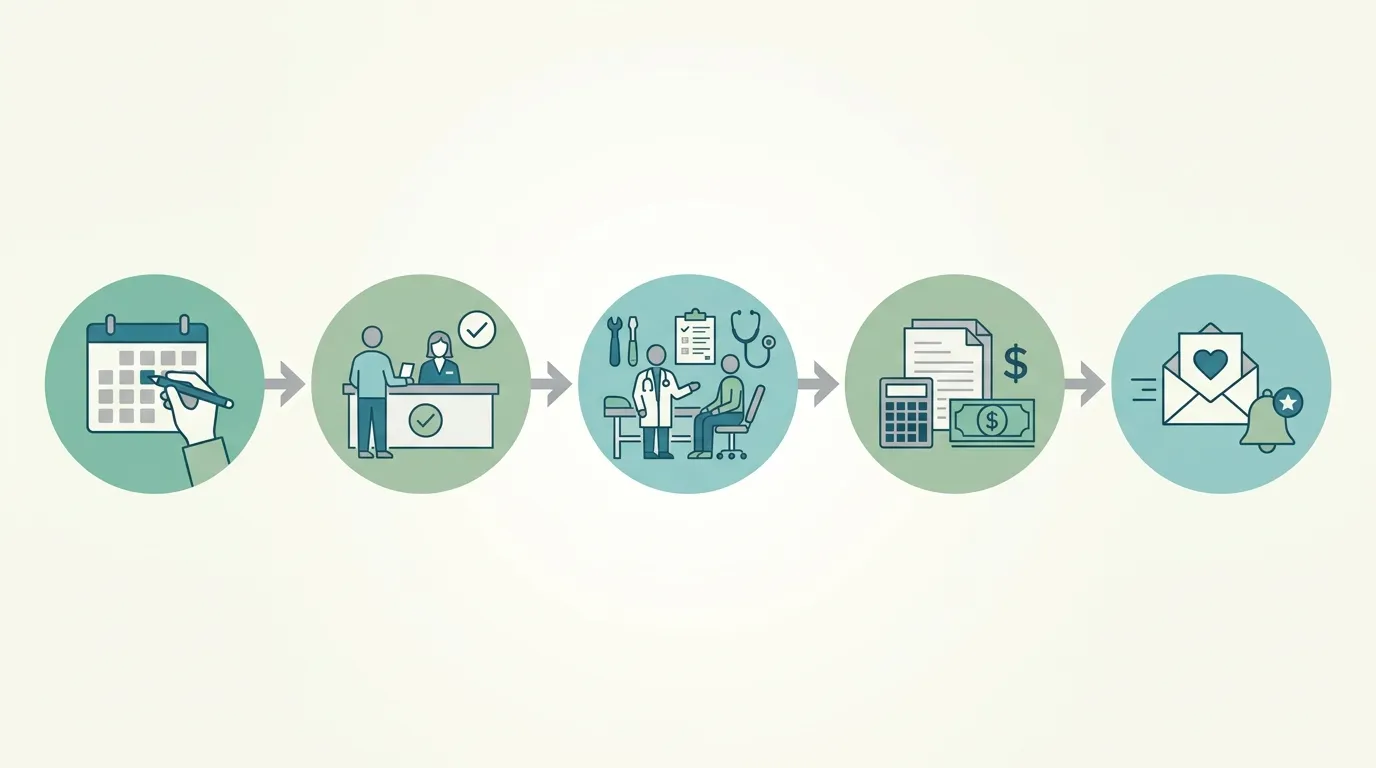
Core Problems Veterinary Practice Management Systems Solve
Fragmented Patient Records
When a patient's history lives in three separate tools, no single person has the full picture. A proper veterinary clinic management system keeps medical history, vaccination records, and billing tied to one patient profile that any staff member can pull up instantly. This matters most in emergency or walk-in situations, where a vet needs a complete picture of a patient's allergies, prior conditions, and medication history in seconds, not minutes spent searching across systems.
Scheduling That Doesn't Reflect Reality
Generic booking software rarely accounts for exam room availability, equipment needs, or the fact that a dental procedure takes longer than a wellness check. A tailored veterinary management system builds those constraints into the calendar itself, cutting down on overbooked days and rushed appointments. It can also account for which staff members are certified for specific procedures, preventing a scheduling system from booking a surgery slot with a vet who isn't available or qualified for it that day.
Inventory and Medication Tracking
Expired medications and understocked supplies are a recurring headache for clinics running on spreadsheets. Built-in inventory tracking tied to treatment records means the system flags low stock automatically instead of a staff member discovering it mid-appointment. This is especially critical for controlled substances, where accurate, auditable tracking isn't just operationally convenient — it's often a regulatory expectation.
Disconnected Client Communication
Reminder calls, follow-up texts, and post-visit care instructions often live outside the main system entirely. A connected veterinary practice manager software setup ties communication directly to the patient record, so reminders trigger automatically off actual appointment and treatment data — rather than a staff member manually cross-checking a spreadsheet to figure out who's due for a follow-up call this week.
Reporting That Owners Can Actually Use
Multi-location practices need to see revenue, appointment volume, and staff utilization across sites — something most template software simply wasn't built to aggregate. Custom reporting pulls that data into one dashboard instead of five separate exports, giving ownership the kind of real-time operational visibility that off-the-shelf platforms typically reserve for their highest-priced enterprise tiers, if they offer it at all.
Off-the-Shelf vs. Custom
Off-the-Shelf SoftwareCustom-Built System Workflow fitClinic adapts its process to the softwareSoftware is built around how the clinic actually operates IntegrationLimited or costly third-party connectionsConnects directly to existing billing, lab, and inventory tools Pricing/cost structurePer-seat subscription fees that scale with staff countOne-time build cost with predictable ongoing maintenance Ownership/scalabilityLocked into vendor's roadmap and pricing changesFull ownership, scales as the practice adds locations or services
The tradeoff isn't just cost — it's control. Clinics using custom SaaS platforms aren't stuck waiting on a vendor's release calendar to add a feature their business actually needs, and that flexibility compounds as a practice grows into new locations or services like boarding and grooming. For practices operating across multiple specialties or sites, this often overlaps with the kind of work covered under industry-specific systems built to handle sector-specific compliance and workflow needs that generic platforms weren't designed for.
The American Veterinary Medical Association has repeatedly flagged administrative burden as a major contributor to veterinary staff burnout, alongside long hours and emotional strain of clinical work.
Reducing the number of disconnected tools staff have to manage daily is one of the more direct ways clinic owners can act on that. Some clinics attempt to solve this by adding more point solutions rather than consolidating, which the AVMA and workforce researchers have noted often makes daily workflow more complicated rather than less. The American Animal Hospital Association has similarly pointed to standardized, well-integrated record-keeping as a foundational element of accredited practice standards, reinforcing that consolidated systems aren't just a convenience — they support the quality-of-care benchmarks clinics are already expected to meet.
Frequently Asked Questions
What is a veterinary practice management system?
It's software that consolidates scheduling, medical records, billing, and inventory into a single platform used by clinic staff, rather than relying on separate disconnected tools.
Is custom veterinary software worth it for a single-location clinic?
It depends on scale and complexity — clinics with straightforward, single-location needs may do fine with off-the-shelf tools, but practices juggling multiple services, locations, or heavy integration needs typically see faster returns from a custom build. Reviewing current pricing models for custom development against ongoing per-seat subscription costs is often the clearest way to compare long-term value.
How long does it take to build a custom veterinary management system?
Timelines vary by scope, but a focused MVP covering scheduling, records, and billing can typically launch in a few months, with additional modules like inventory or multi-location reporting added afterward.
Can a custom system integrate with existing lab or billing tools?
Yes — this is one of the main advantages over off-the-shelf platforms, since a custom build can connect directly to whatever lab, payment, or accounting tools a clinic already relies on. Questions about integration scope are common enough that they're worth raising directly during a discovery conversation before development begins.
Final Thoughts
Veterinary practice management systems built for the "average" clinic will always ask real clinics to compromise somewhere. Custom software removes that compromise by fitting the system to the practice instead of the other way around, and the return shows up in fewer administrative hours lost and a clearer picture of how the whole operation is actually running.
Ready to Build Software That Fits Your Practice?
See how devglim builds custom practice management platforms, or get in touch to talk through your clinic's specific workflow.