UX/UI Developer Staff Augmentation: Scaling Design Capacity Without a Full Hire
How to scale design capacity for a specific push without a full-time hire, and what to check for when a role blends design sense with implementation skill.
DevGlim Team
September 17, 2026
Looking to build this instead of buying it? See our Custom Software Development Services service →
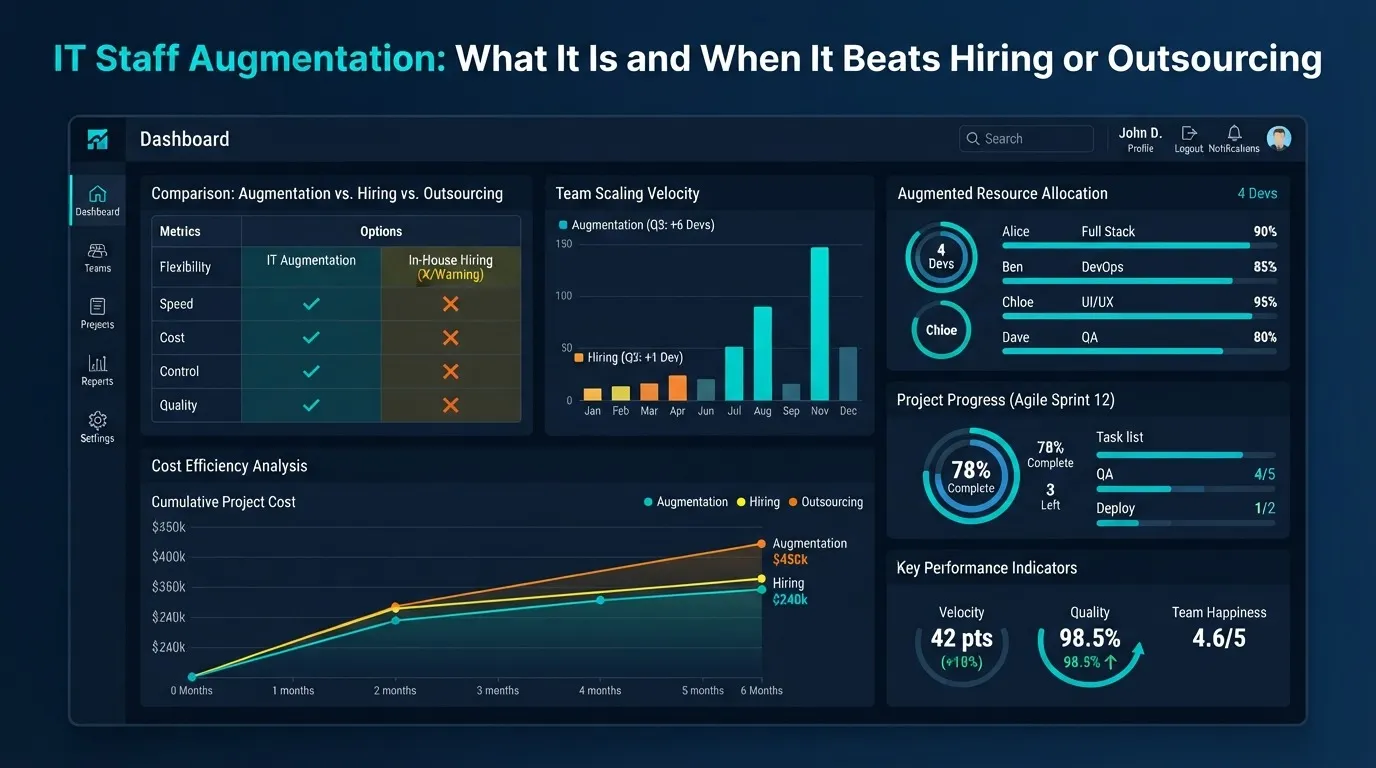
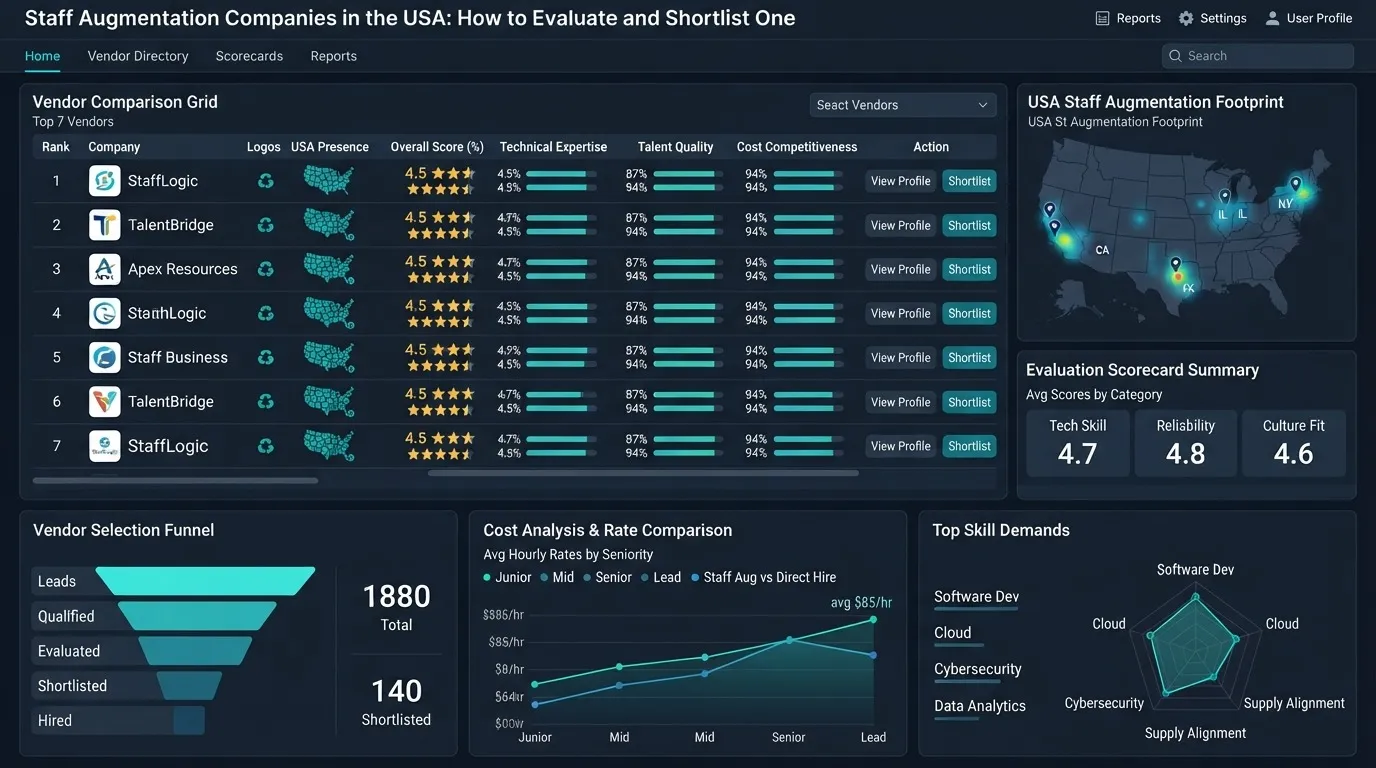
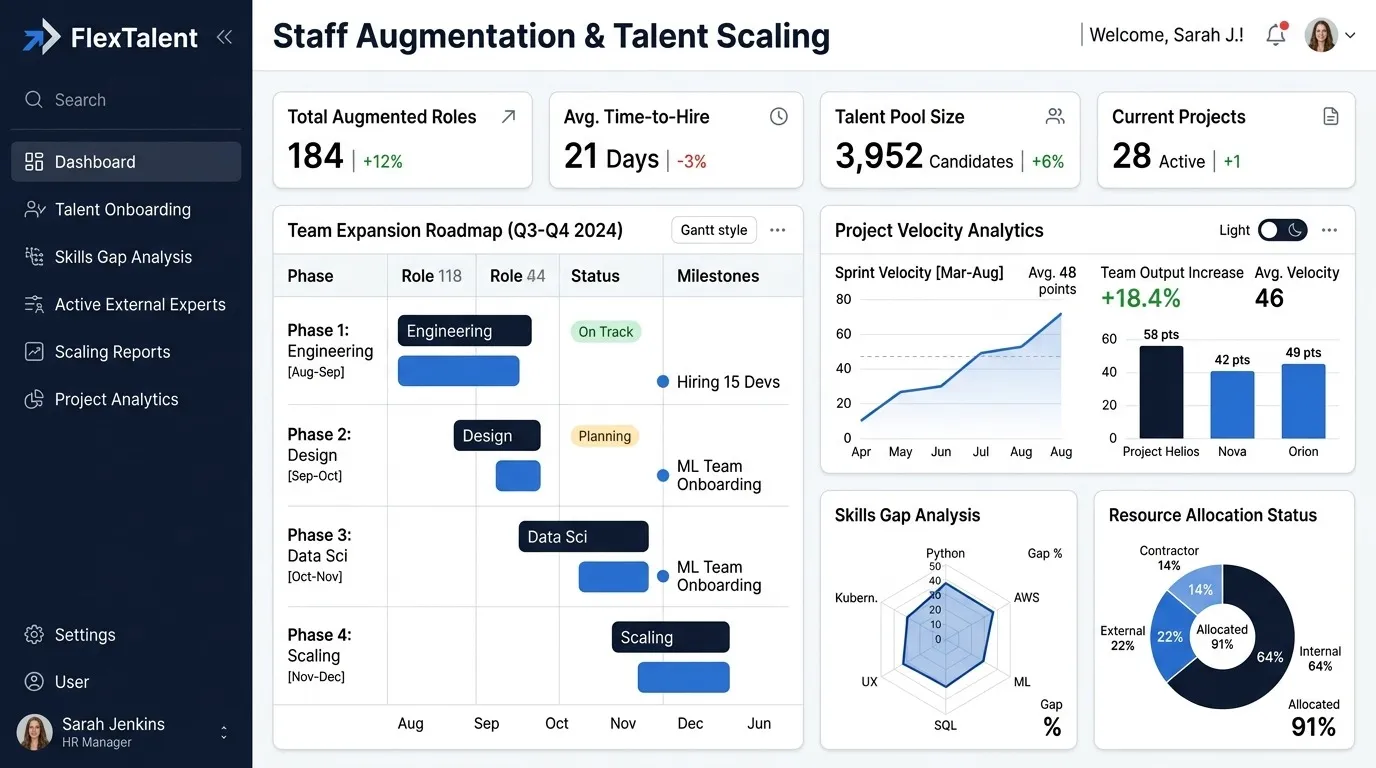
Design work is uneven by nature — a redesign push, a new product launch, or a backlog of UI debt can create a temporary need for design capacity that doesn't justify a permanent hire, but is too much for existing team members to absorb alongside their regular work. This is one of the clearest-cut cases for staff augmentation specifically.
Why UX/UI Is a Distinct Augmentation Case
Unlike a backend engineering gap, a design capacity gap often blends two skills that don't always live in the same person: UX judgment (research, information architecture, interaction design) and UI implementation (component-level design, working inside an existing design system, sometimes front-end code). Before augmenting, get specific about which one you actually need — a UX researcher and a UI implementer are not interchangeable, even though job titles often blur the line.
When It Makes Sense
- Launch crunch: a product launch needs more screens designed in less time than your core designer(s) can produce without sacrificing quality on their existing roadmap.
- Backlog burn-down: a defined set of UI polish/consistency work has piled up and would take a permanent hire months to justify, but is real and visible to users.
- Specialized skill gap: a specific need (accessibility auditing, a design-system migration, motion design) that your core team doesn't have and won't need permanently.
What to Check Before Bringing Someone On
Design work is harder to evaluate from a portfolio alone than code is from a GitHub profile, because a polished portfolio piece doesn't show how someone handles ambiguous requirements or design-system constraints. Ask for examples of work done inside an existing design system (not just greenfield concept work), and have them walk through one real decision they made and why — that reveals process, not just output quality.
Also confirm tooling fit early: Figma component libraries, existing design tokens, and your specific design system's conventions all have a learning curve, and a mismatch here slows an augmented designer down more than a skills gap would.
Integration Matters More Than for Engineering Roles
Design decisions ripple across a product in ways an isolated engineering task often doesn't — an augmented UX/UI hire needs closer integration with product and engineering conversations than a backend augmentation placement typically does, specifically so their output doesn't create inconsistency with the rest of the product when they roll off the engagement.
For the broader mechanics of how augmentation contracts and pricing typically work, see the IT staff augmentation guide, or dedicated augmentation vs. project-based outsourcing if design work is part of a larger project you're still scoping.