Software Examples: 20+ Real-World Types & Business Uses in 2026
Explore real-world software examples — CRM, ERP, BI, and more — with a practical framework for choosing or building the right solution in 2026.
DevGlim Team
September 4, 2026
Looking to build this instead of buying it? See our Custom Software Development Services service →
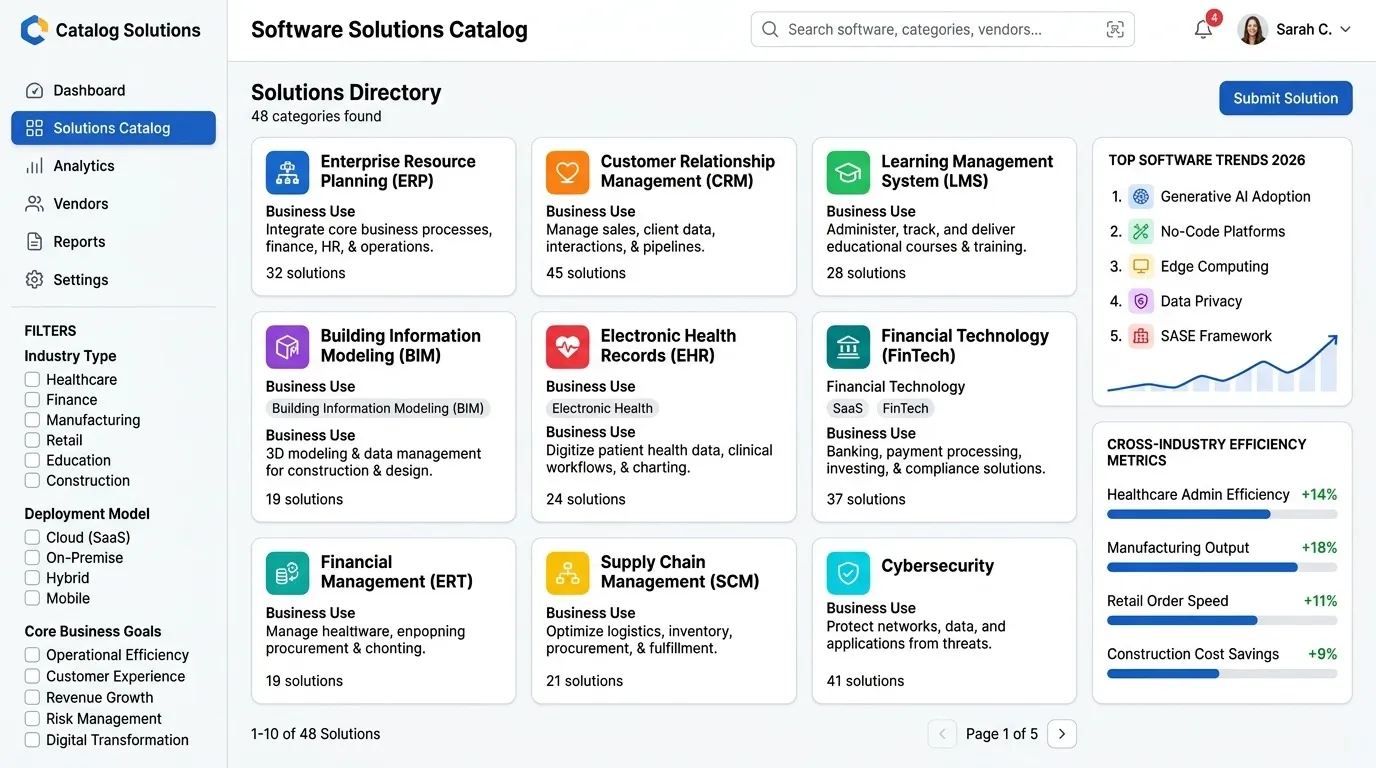
When people talk about software examples, they usually mean the applications businesses and individuals use to solve specific problems. A CRM manages customer relationships, an ERP coordinates business operations, a project management platform organizes work, and a SaaS application delivers software through the cloud.
The right software can reduce manual work, improve decision-making, connect teams, and create more efficient business processes.

What Is Software?
Software is a collection of instructions and programs that tells a computer or digital device what to do.
For businesses, software generally falls into two broad categories: system software and application software.
System software supports the operation of hardware and includes operating systems, drivers, and firmware.
Application software is designed to help users perform specific tasks. Business applications such as CRM systems, accounting platforms, ERP software, project management tools, and custom web applications fall into this category.
20+ Software Examples Businesses Use
1. CRM Software
Customer relationship management software helps businesses organize customer information, sales activities, leads, communications, and opportunities.
Common CRM examples include Salesforce, HubSpot, and Microsoft Dynamics.
Businesses that need specialized workflows may also consider custom CRM development when an off-the-shelf CRM cannot accommodate their processes.
See Devglim's custom CRM development services.
2. ERP Software
Enterprise resource planning software connects business functions such as finance, inventory, procurement, operations, and human resources.
Examples include SAP, Oracle Cloud ERP, and Microsoft Dynamics 365.
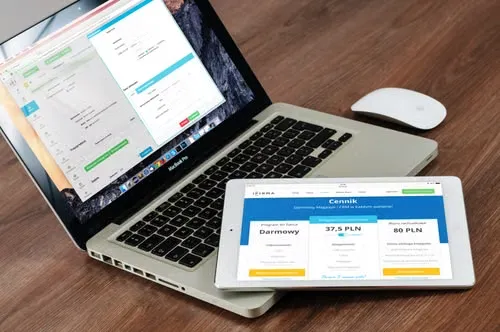
3. SaaS Applications
Software as a Service applications are delivered over the internet, usually through a subscription model.
Examples include:
- Slack
- Microsoft 365
- Google Workspace
- Shopify
- HubSpot
- Salesforce
Companies can also develop their own SaaS products when they have a repeatable business process or software product opportunity.
Learn more about SaaS development.
4. Web Applications
Web applications run through a web browser and can provide functionality far beyond a traditional informational website.
Examples include online banking systems, customer portals, project management platforms, booking systems, and business dashboards.

For organizations that need software tailored to their workflows, custom web application development can provide greater flexibility.
5. Project Management Software
Project management applications help teams plan work, assign tasks, track progress, and manage deadlines.
Examples include Jira, Asana, and Monday.com.
6. Business Intelligence Software
BI platforms transform business data into reports, dashboards, and visualizations.
Examples include:
- Power BI
- Tableau
- Looker
These tools can help organizations identify trends and make data-driven decisions.
7. Accounting Software
Accounting applications manage invoices, expenses, financial records, payments, and reporting.
Examples include QuickBooks, Xero, and Sage.
8. Human Resources Software
HR software can support recruitment, employee records, payroll, attendance, performance management, and benefits administration.
Examples include Workday, BambooHR, and ADP.

9. E-Commerce Software
E-commerce platforms allow businesses to sell products and services online.
Examples include Shopify, WooCommerce, and Magento.
Custom e-commerce development may be appropriate when a business requires functionality that standard platforms cannot provide.
10. Communication Software
Communication applications allow employees and customers to communicate digitally.
Examples include:
- Microsoft Teams
- Slack
- Zoom
- Google Meet
11. Inventory Management Software
Inventory software tracks products, stock levels, warehouses, purchases, and fulfillment.
It can be particularly valuable for businesses operating across multiple locations.
12. Customer Support Software
Customer support platforms manage tickets, knowledge bases, customer conversations, and service requests.
Examples include Zendesk and Freshdesk.
13. Learning Management Software
Learning management systems help organizations deliver courses, training programs, assessments, and educational content.
14. Content Management Systems
A CMS allows users to create, manage, and publish digital content.
WordPress, Drupal, and similar platforms are common examples.
15. Scheduling Software
Scheduling applications manage appointments, meetings, reservations, employee shifts, or other time-based activities.
16. Collaboration Software
Collaboration platforms combine communication, file sharing, task management, and team workflows.
17. Healthcare Software
Healthcare applications can manage patient records, appointments, billing, clinical workflows, and communication.
18. Logistics Software
Logistics applications support transportation, shipment tracking, warehouse operations, routing, and supply chain management.
19. Customer Portals
A customer portal provides users with secure access to information, documents, orders, support requests, account details, or services.
20. Internal Business Software
Companies frequently build internal applications for processes that are too specific for generic software.
Examples include:
- Employee management systems
- Internal approval systems
- Operations dashboards
- Workflow automation platforms
- Custom reporting systems

How to Choose the Right Software
Choosing software should begin with the business problem rather than the technology.
Consider:
- What process needs improvement?
- Who will use the software?
- What integrations are required?
- What data must the system manage?
- What security requirements exist?
- What is the expected total cost?
- Can an existing product support the workflow?
When Should a Business Build Custom Software?
Off-the-shelf software can be an excellent choice when an existing product already supports the required workflow.
Custom development becomes more attractive when:
- The business has unique processes.
- Multiple systems need to be integrated.
- Existing software requires excessive workarounds.
- The application itself is a competitive advantage.
- The company needs complete control over functionality.
- The product will eventually serve external customers.
For these situations, custom software development can provide a solution designed around the organization's actual requirements.
Software Examples vs. Custom Software
The best software isn't necessarily the most popular software.
A small company may be better served by an existing SaaS product, while a growing organization with complex workflows may benefit from a custom platform.
The important question is not simply "Which software is popular?"
It is:
Which software approach solves the actual business problem most effectively?
Conclusion
The modern software landscape includes everything from CRM and ERP platforms to SaaS products, web applications, analytics systems, and highly specialized business software.
Understanding different software examples makes it easier to evaluate whether your organization should adopt an existing platform, integrate several systems, or build a custom solution.
If your business has a process that existing software cannot handle effectively, talk to Devglim about designing and developing a solution around that process.