What Are AI Agents? 12 Real-World Tasks, Tools and Costs
A plain-English guide to what AI agents do, where they help, what they cost and when a human should remain in control.
DevGlim Team
October 2, 2026

Looking to build this instead of buying it? See our AI Agent Development service →
An AI agent is software that uses a model to work toward a goal, choose from approved tools and respond to results. A chatbot that only answers questions may be useful, but an agent can also look up a record, draft an update or start a workflow. The difference is the ability to take bounded actions—not autonomy without limits.
12 practical tasks an agent might handle
- Classify incoming support requests by topic.
- Find relevant help-center articles for an agent to review.
- Summarize a meeting and draft follow-up tasks.
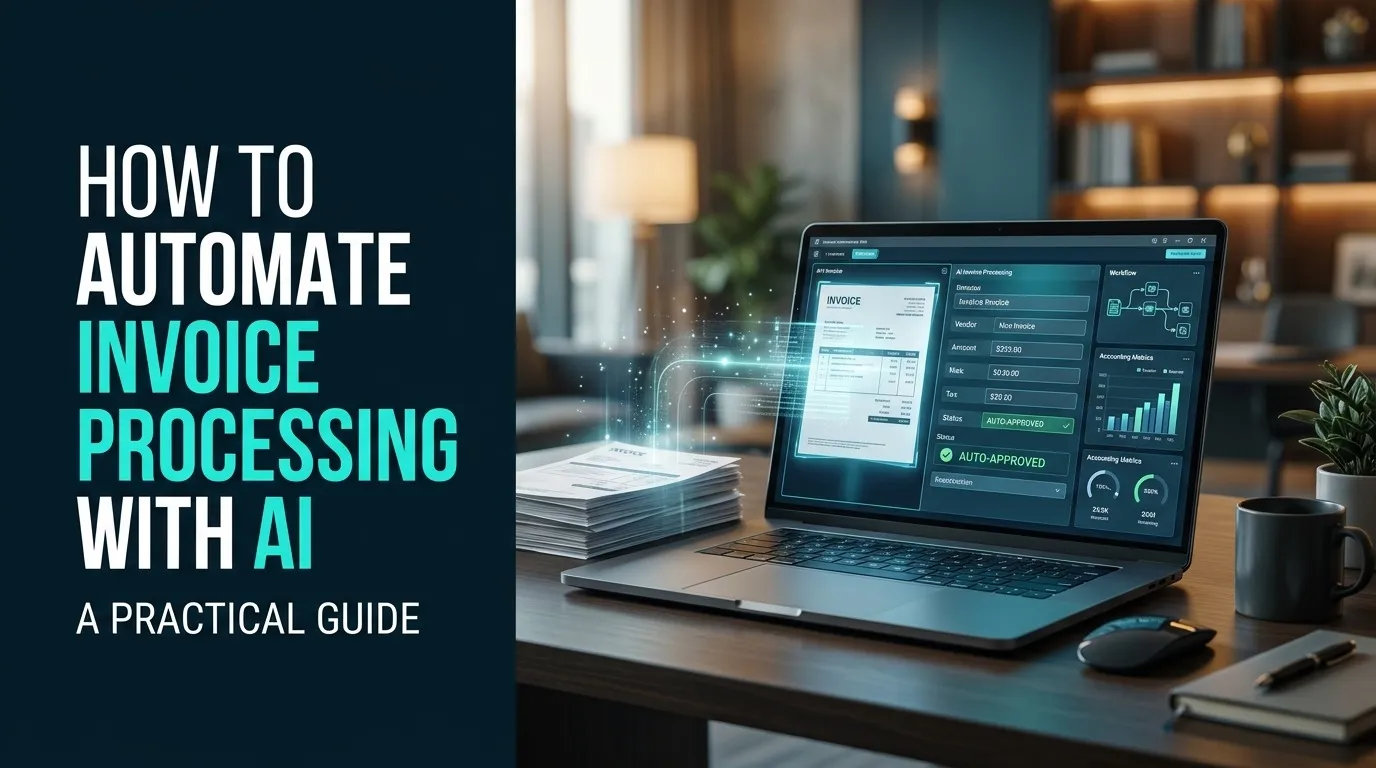
- Extract invoice fields for accounting approval.
- Check whether a lead meets stated qualification rules.
- Prepare a CRM note after a sales call.
- Draft a response to a common shipping question.
- Compare an order with a company refund policy.
- Collect missing onboarding documents.
- Flag anomalies in a weekly operations report.
- Suggest available appointment slots.
- Route an exception to the right human owner.
These are illustrative use cases, not claims that every agent can safely perform them out of the box.
What tools does an agent need?
Most useful business agents need access to one or more approved systems: a knowledge base, CRM, calendar, ticket queue, document store or internal API. Each connection should expose only the actions required for the task. Retrieval and read-only actions are safer starting points than sending emails, issuing refunds or changing records. Microsoft’s open AI Agents for Beginners material explains core agent concepts and patterns.
What affects cost?
There is no universal agent price. Budget for model usage, data preparation, integration work, hosting, monitoring, evaluation and human review. A narrow agent with one approved knowledge source is simpler than a system that changes records across several applications. Usage grows with task volume, context size, retries and tool calls. Ask vendors for a pilot estimate based on your actual monthly volume, not a headline token price alone.
Where should humans stay in the loop?
Require approval for payments, refunds, external messages, sensitive records and high-impact decisions. Log the agent’s inputs, proposed action, tool response and final outcome while protecting personal data. Define what happens when the model is uncertain or a tool fails. The 2025 Stack Overflow Developer Survey documents persistent concerns about AI output accuracy; review is a design requirement, not an afterthought.
A sensible first pilot
Choose one measurable workflow, record its current time and error rate, define allowed actions and test against real but appropriately protected examples. Start read-only, then add approved writes if the pilot meets accuracy and safety targets. Review quality, escalation and total cost weekly.
For an agent connected to your own systems, see DevGlim’s AI agent development service or discuss a pilot.