Custom Ecommerce Software Development: Costs, Features and Process
A decision guide to custom ecommerce software, including features, architecture, integrations, costs, migration and launch planning.
DevGlim Team
September 8, 2026 · Updated September 30, 2026
Looking to build this instead of buying it? See our Custom Ecommerce Software Development Services service →

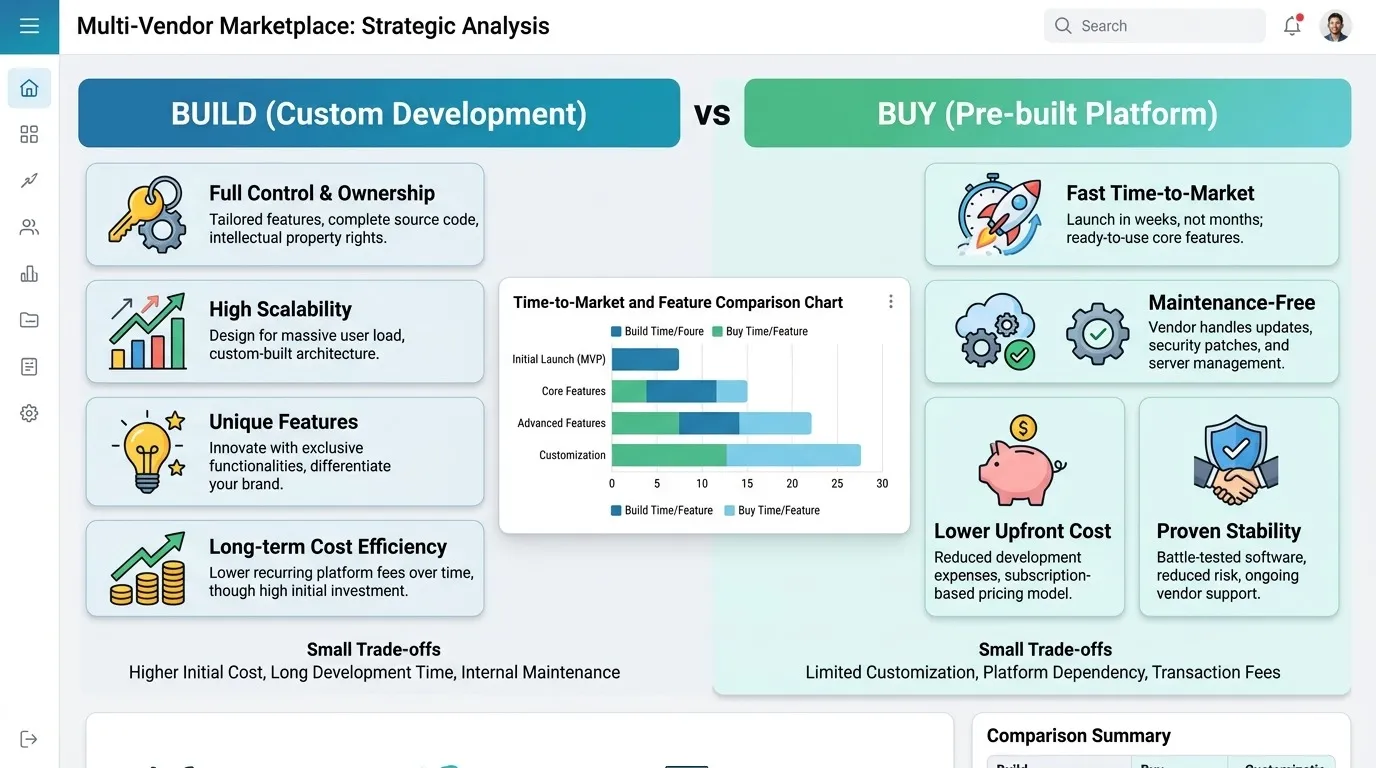
Shopify, WooCommerce, and similar platforms work well for most online stores—until a business outgrows what they can offer. When product complexity, order volume, or integration needs exceed what a generic platform supports, custom e-commerce software becomes the more reliable path forward.
This guide covers when custom development actually makes sense, what it typically includes, and how the process compares to sticking with an off-the-shelf platform.
What Is Custom E-commerce Software Development?
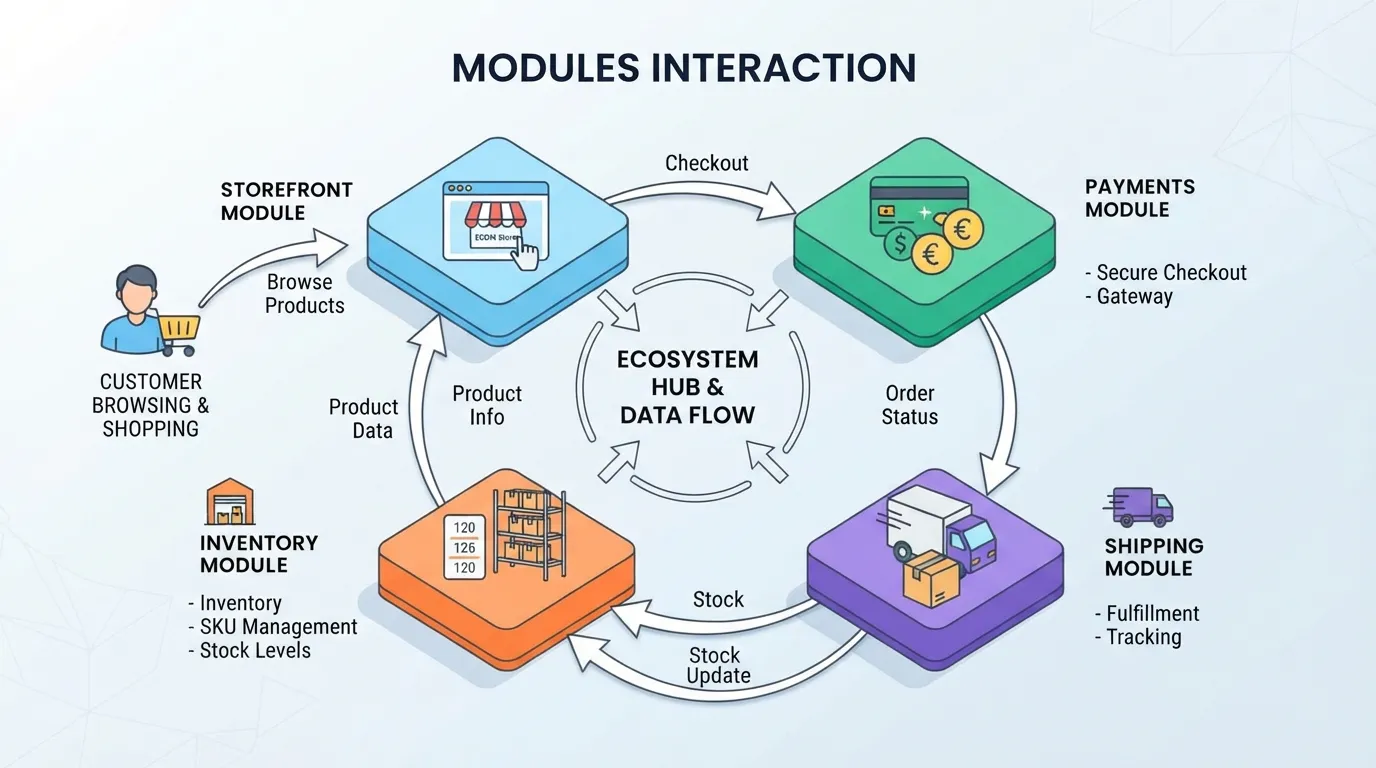
Custom e-commerce software is built specifically around a business's product catalog, order workflow, and integrations—rather than configuring a general-purpose platform to approximately fit. This includes ecommerce solution development covering product management, checkout, payments, shipping logic, and backend inventory systems tailored to how a specific business actually operates.
Not sure how ready your online store is? Answer ten short questions for a readiness score and a prioritized list of improvements. Open the full-page tool.
Free tool · about 3 minutes
Ecommerce Readiness Checker
You will get:
- A Devglim Ecommerce Readiness Score out of 100
- Your strong areas and the areas needing attention
- A prioritized list of recommendations
No sign-up needed to see your result. This is an indicative estimate based on the information provided. Final pricing depends on features, integrations, design complexity and project requirements.
Signs You've Outgrown Off-the-Shelf Platforms
1. Complex Product Configurations
Products with many variants, bundles, or configuration options (like made-to-order or subscription-based items) often hit real limitations on template platforms, requiring expensive plugin workarounds that still don't fully fit.
2. High Order Volume
At a significant scale, transaction fees and performance limitations on shared platforms can become a real cost and reliability concern—a large-scale e-commerce development approach gives the team more control over architecture and scaling decisions, while introducing its own engineering and operating responsibilities.
3. Unique Integration Requirements
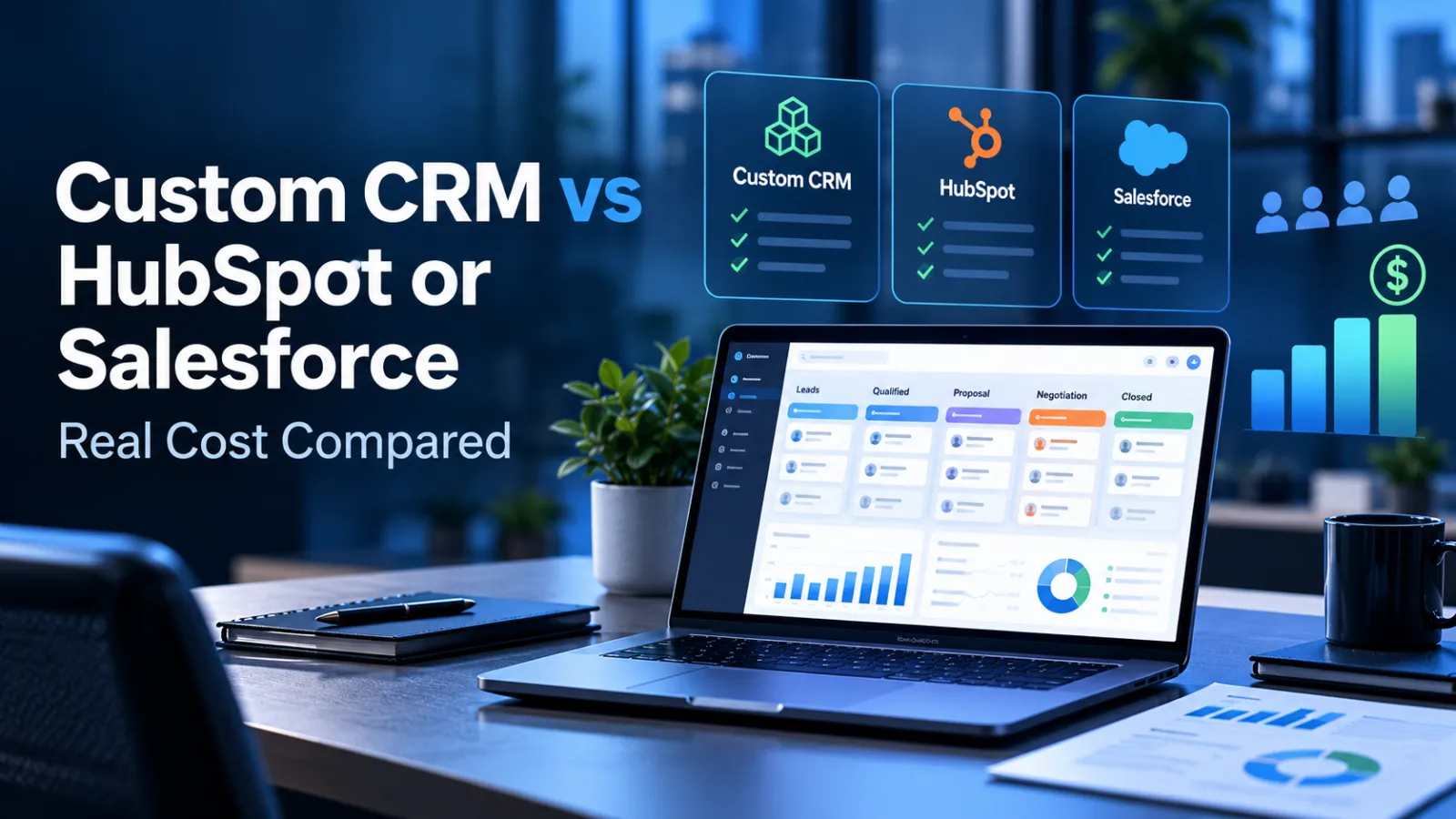
Custom ERP, warehouse management, or CRM integrations are often difficult or impossible to build cleanly on top of a locked-down platform's plugin ecosystem.
4. Multi-Channel or Multi-Region Complexity
Businesses selling across multiple currencies, tax jurisdictions, or sales channels (marketplace + direct + wholesale) frequently need custom logic that off-the-shelf platforms handle poorly.
What Custom E-commerce Software Typically Includes
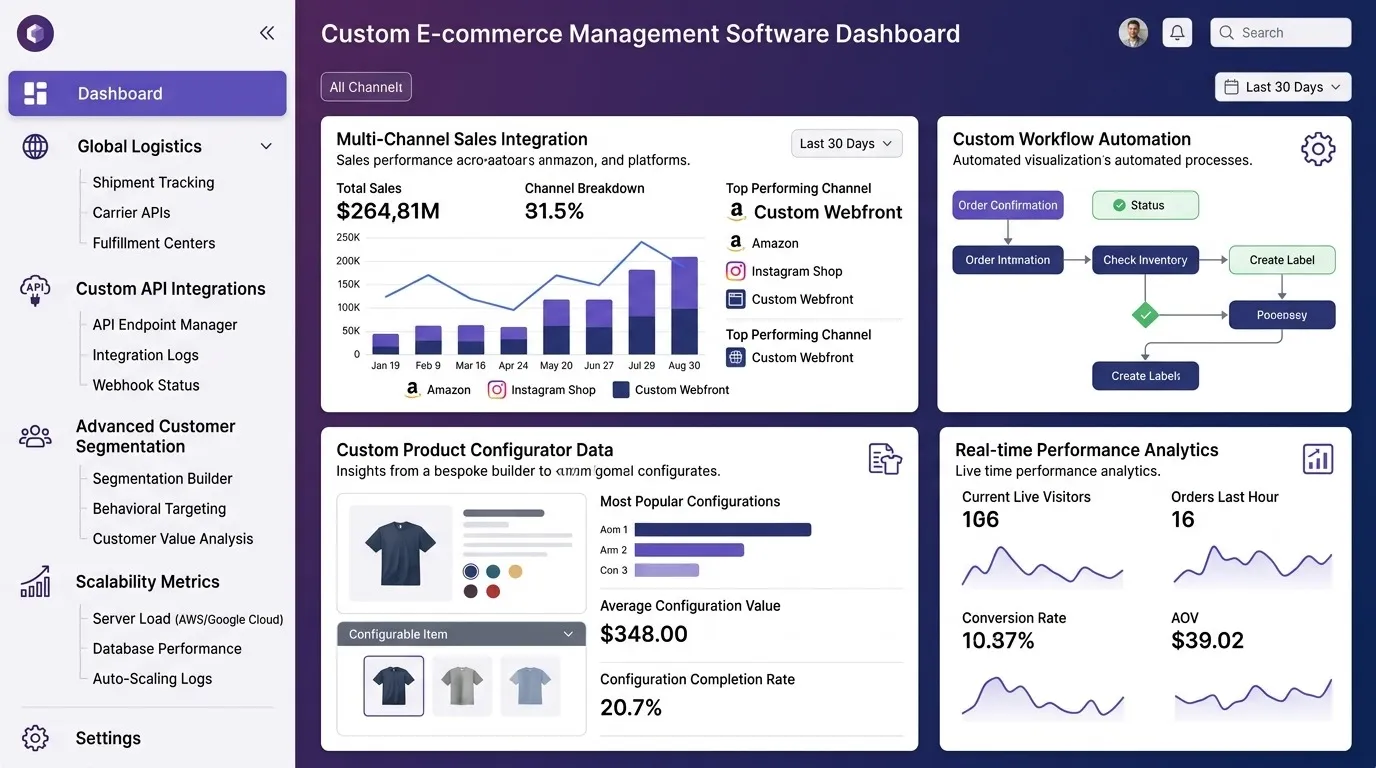
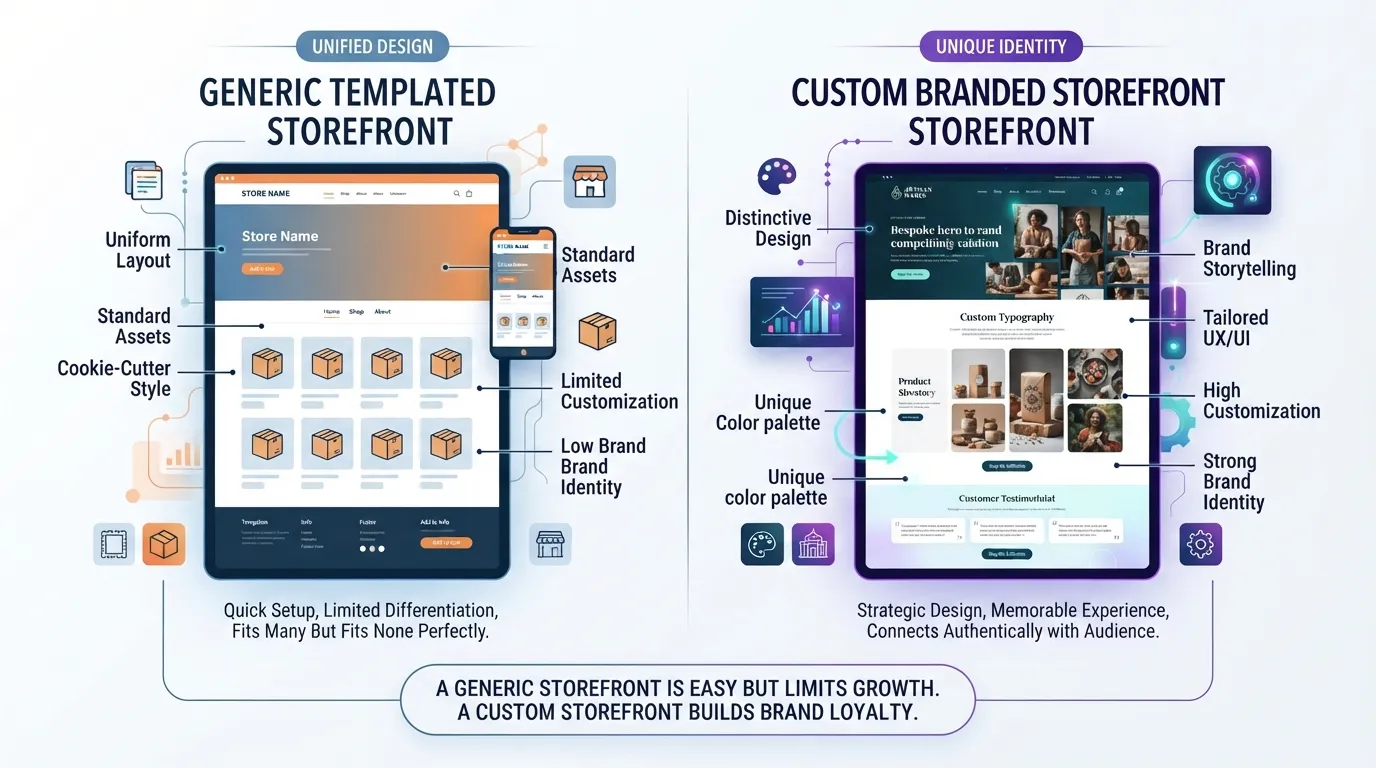
- Custom storefront—built around brand and UX needs, not template constraints
- Inventory & warehouse integration—real-time stock sync across channels
- Payment processing—tailored to specific providers, currencies, and fee structures
- Order management—custom fulfillment logic, subscriptions, or B2B pricing tiers
- Analytics & reporting — dashboards built around the metrics that actually matter to the business
Custom vs. Off-the-Shelf: A Practical Comparison
Speed and standard commerce
Hosted and open-source platforms are usually the best starting point for standard catalogs, checkout and fulfillment. They provide mature ecosystems, operational tooling and a faster launch.
Workflow and integration flexibility
Custom software becomes valuable when pricing, configuration, approvals, fulfillment or integrations are central to the business and cannot be implemented reliably within platform constraints.
Cost and ownership
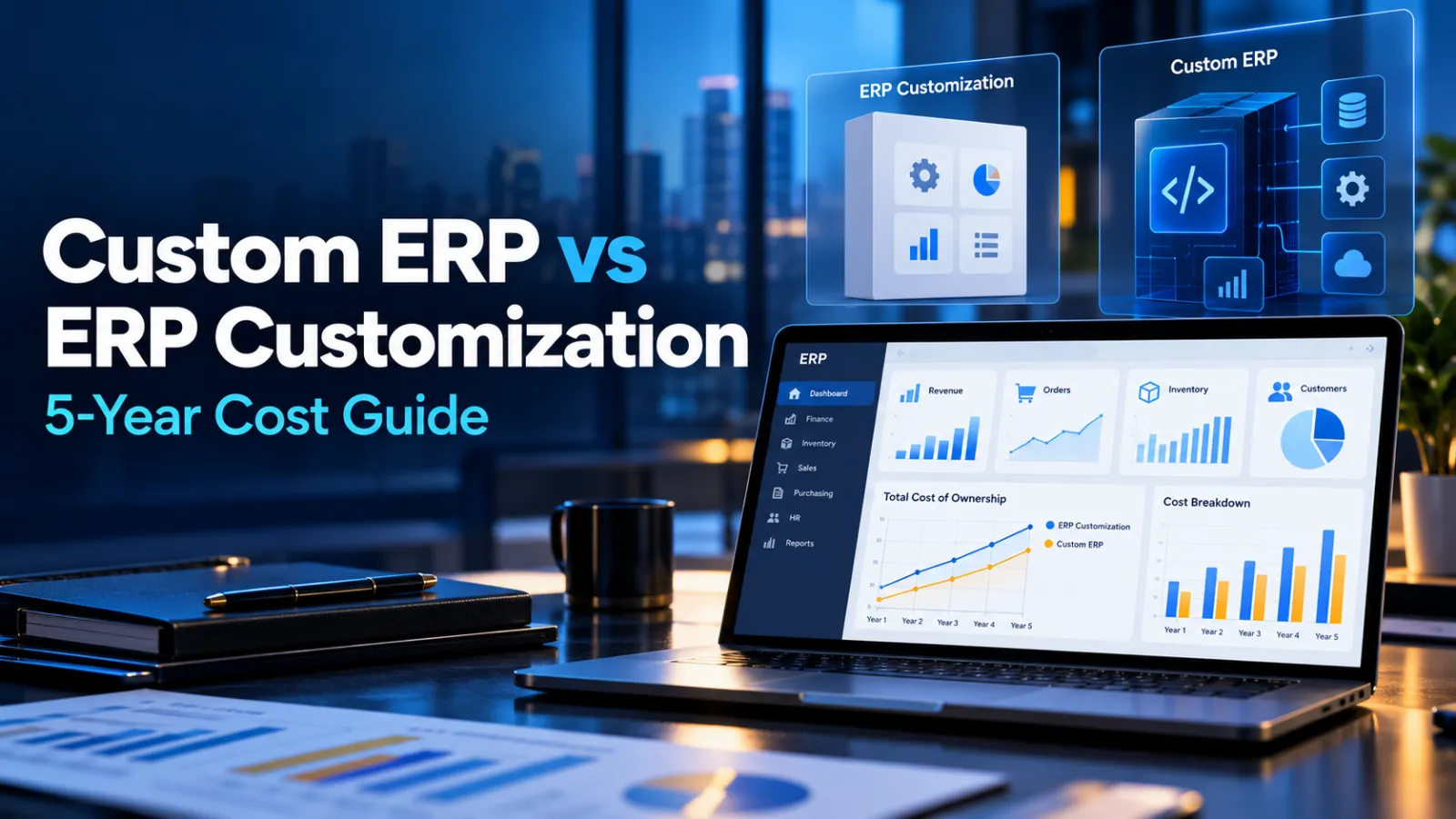
Off-the-shelf platforms combine subscription, app, payment and implementation costs. Custom software adds discovery, development, hosting, security and ongoing maintenance. Processor fees still apply in either model. Code and data ownership should be defined in the contract.
The Development Process
1. Requirements & Workflow Mapping
Product catalog structure, order flow, and integration needs are documented before development starts.
2. Architecture & Platform Decisions
Decisions on hosting, payment processors, and third-party integrations are made based on the specific business, not a one-size-fits-all template.
3. Core Development
Storefront, checkout, and backend systems are built and typically rolled out incrementally, starting with the core purchasing flow.
4. Testing & Security
Payment processing and customer data handling require rigorous testing before launch.
5. Launch & Ongoing Support
Post-launch, ongoing maintenance covers security updates, new integrations, and feature additions as the business grows.
Our custom software development guide covers cost breakdowns and timelines that apply broadly across custom builds, including e-commerce projects.
Architecture and Integrations to Plan Early
Define the systems of record for products, pricing, customers, inventory and orders. Then map how data moves between the storefront, payment provider, tax service, warehouse, shipping carriers, ERP, CRM and analytics. Document failure handling as carefully as the happy path: delayed webhooks, duplicate events, payment reversals and inventory conflicts are normal operating conditions.
Security scope should include role-based access, secrets management, logging, backups, dependency updates and incident response. If card data is involved, work with qualified payment and compliance specialists and minimize the amount of sensitive payment data your application handles directly.
Cost Drivers and Launch Metrics
The largest cost drivers are catalog complexity, custom pricing rules, checkout changes, migrations, integrations, regions, performance requirements and administrative tooling. Before launch, set baselines for conversion, checkout failures, order-processing time, inventory errors and support contacts. Those metrics show whether the new system is producing operational value.
Take the ecommerce readiness assessment to identify whether configuration, extension or a fully custom build is the better next step.
Frequently Asked Questions
How much does custom e-commerce software cost compared to Shopify?
Custom development has a higher upfront cost and ongoing hosting and maintenance. It may reduce platform-specific fees, but payment processor fees still apply. Compare total costs over several years using your actual order volume, apps, integrations and support needs.
Can custom e-commerce software still integrate with Shopify or other tools?
Yes—some businesses build custom systems that integrate with or extend existing platforms rather than fully replacing them, depending on specific needs.
Is custom e-commerce software only for large businesses?
No—businesses with unique product types (subscriptions, made-to-order, complex configurations) often benefit from custom builds regardless of overall size.
How long does custom e-commerce development take?
A focused first release may take a few months, while complex catalogs, migrations, regional rules and integrations can extend the schedule. Discovery should produce a phased plan with acceptance criteria before a launch date is committed.
Final Thoughts
Off-the-shelf platforms remain the right choice for most stores starting out. But once product complexity, order volume, or integration needs outgrow what templates support, custom e-commerce software can be justified when improved workflow fit, reliability and control outweigh its full lifecycle cost.
Ready to Build Custom E-commerce Software?
DevGlim builds custom e-commerce systems tailored to how your business actually sells. See our ecommerce development services or get in touch to discuss your specific requirements.