AI Business Automation Services: How Custom Software Turns Repetitive Work Into Growth
Off-the-shelf automation tools bolt onto your existing chaos. Custom AI automation removes it — here's what that actually looks like for a small business.
DevGlim Team
September 15, 2026
Looking to build this instead of buying it? See our AI Workflow Automation service →
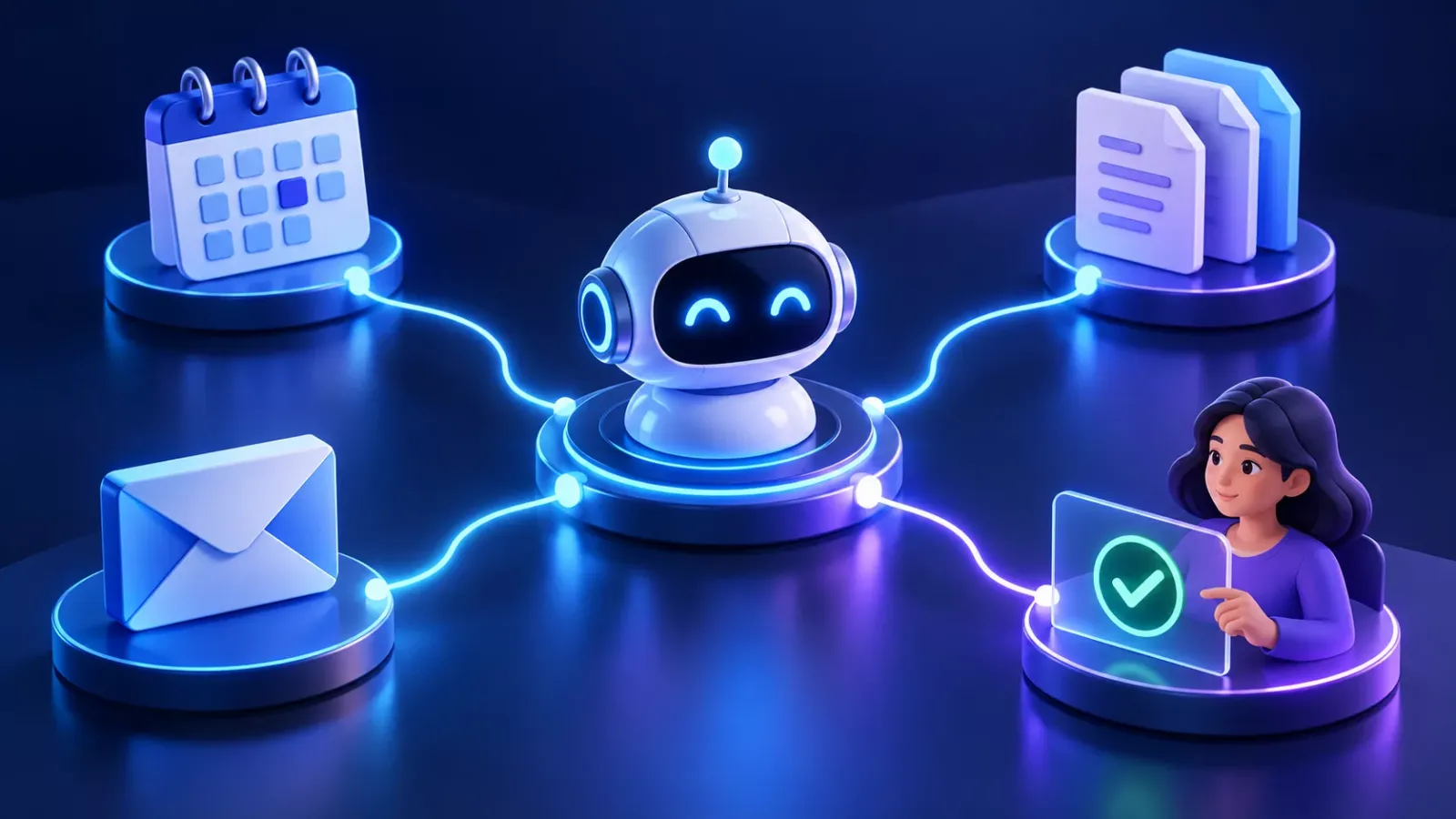
Every small business eventually hits the same wall: the team spends more hours moving data between tools, chasing approvals, and manually triggering the "next step" than doing the work that actually grows the business. That's the exact gap ai business automation services are built to close — not by adding another dashboard to check, but by connecting the systems a business already runs on so tasks move forward on their own. The businesses that get real value out of this aren't buying "AI" as a feature; they're eliminating the manual glue that's been holding their operations together.
A Real-World Example
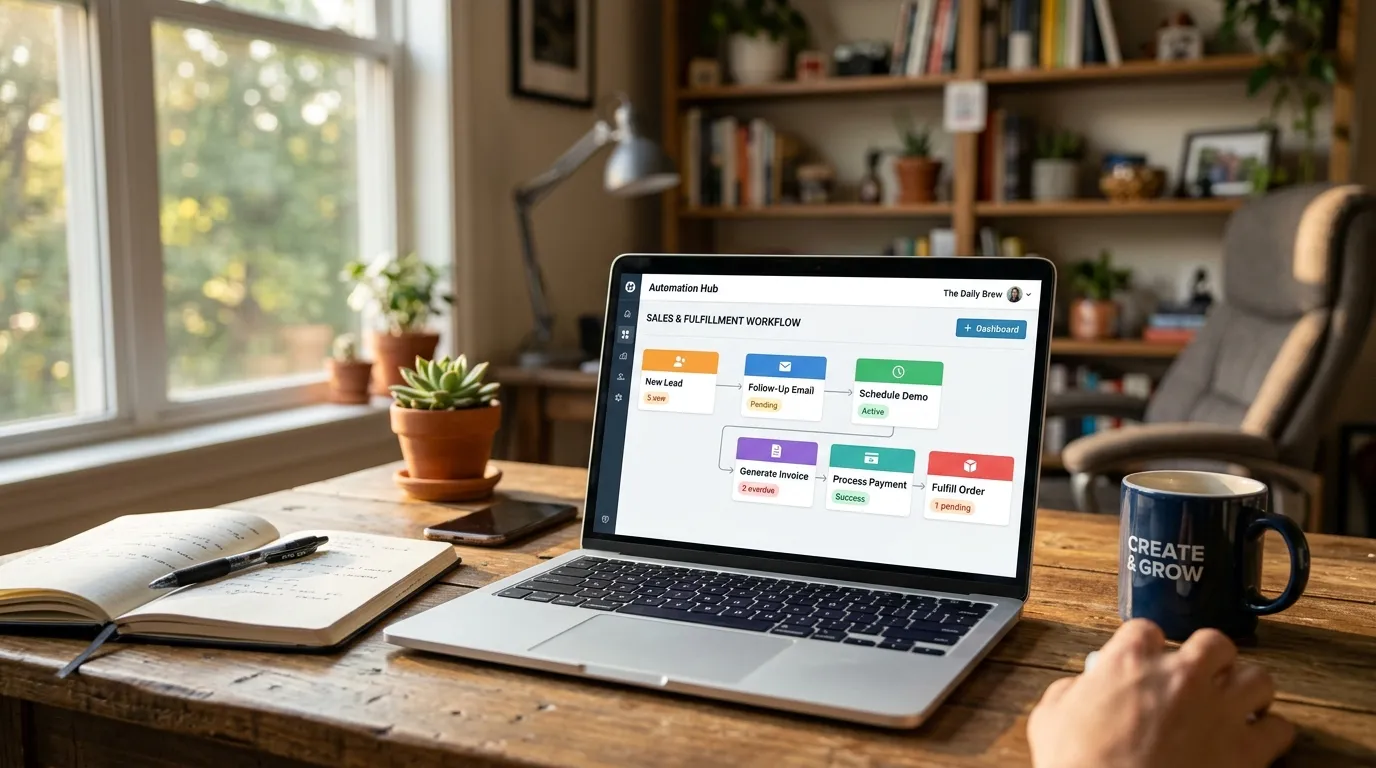
Picture a small operations team handling inbound leads, invoicing, and customer follow-ups across four separate tools — a form, a spreadsheet, an email inbox, and an accounting platform. Every new lead means someone manually copies contact details into the spreadsheet, drafts a follow-up email, and remembers to check back in a week. That's roughly the kind of workflow devglim has streamlined through projects like Autopilot and Nexus Analytics, where disconnected manual steps get replaced with systems that trigger automatically off real events instead of someone remembering to act.
Once a lead automation system is in place, a new inquiry can automatically populate the CRM, trigger a personalized follow-up sequence, and flag the deal for a rep only when it reaches a stage that genuinely needs a human judgment call. The team isn't doing less meaningful work — they're doing less of the repetitive tracking that was never the valuable part of their job in the first place. For a small business, that reclaimed time is often the difference between a founder doing sales calls and a founder stuck doing data entry at 9pm.
Core Problems AI Business Automation Services Solve
Manual Data Entry Across Disconnected Tools
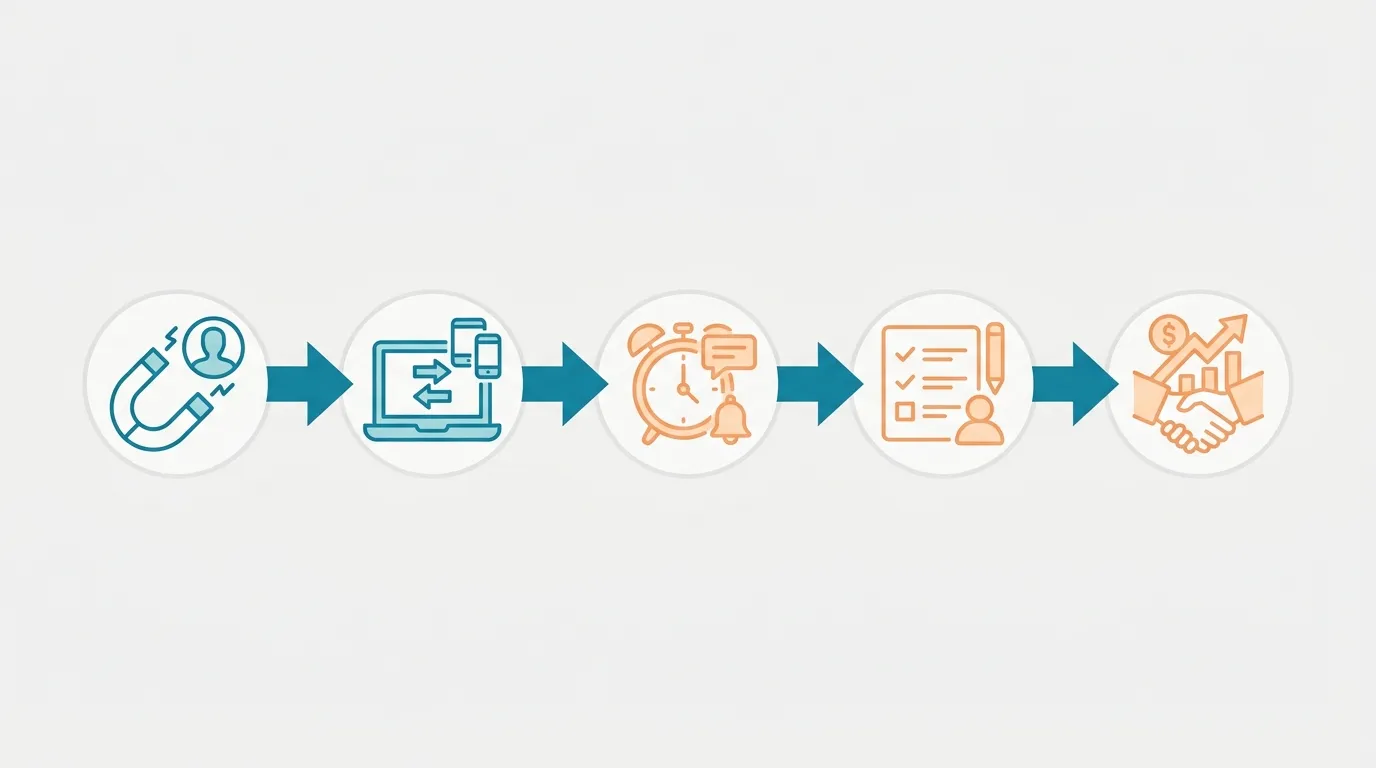
When a business runs five separate tools that don't talk to each other, staff become the integration layer — copying and re-typing the same information repeatedly. Automating that sync doesn't just save time; it removes an entire category of transcription errors that compound into bigger problems down the line, like invoicing the wrong amount or losing a lead's contact details.
Slow, Inconsistent Follow-Up
Leads and customer inquiries that don't get a fast response are far more likely to go cold, and inconsistent follow-up timing usually means someone's inbox got busy, not that the lead wasn't valuable. Automating the trigger for follow-up — the moment a form is submitted, a cart is abandoned, or an invoice goes unpaid — makes response speed consistent regardless of how busy the team is that day.
Tasks That Can Be Automated but Aren't
Most small businesses have a mental list of tasks that can be automated but never get around to fixing because the workaround "mostly works." Recurring reminders, status updates, report generation, and approval routing are common examples — individually small, but together they eat hours every week that could go toward higher-value work.
No Visibility Into What's Actually Happening
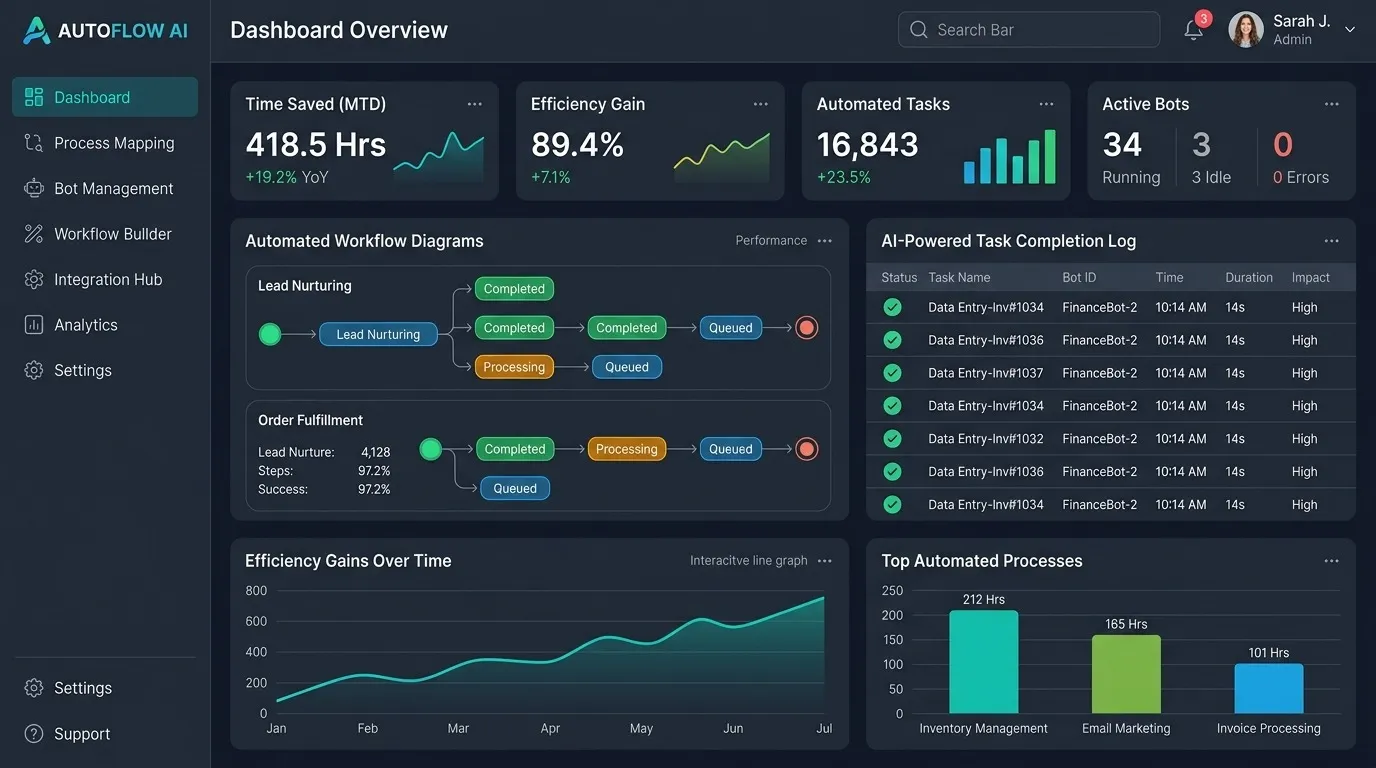
When work is tracked across scattered spreadsheets and inboxes, owners often don't have a real-time view of where things stand until someone manually compiles a report. Automation tied to a central system means status updates happen as a byproduct of the work itself, not as a separate reporting task someone has to remember to do.
Automation That Doesn't Scale Past the First Fix
A lot of businesses solve one automation problem with a narrow point tool, then hit the same wall again with the next process. Custom-built automation is designed around the business's actual operations from the start, so adding the next workflow doesn't mean bolting on yet another disconnected app.
Off-the-Shelf vs. Custom
Off-the-Shelf Automation ToolsCustom-Built AI Automation Workflow fitBusiness adapts its process to fit a generic templateAutomation is built around how the business actually operates IntegrationLimited connectors, often paywalled per integrationConnects directly to existing CRM, accounting, and communication tools Pricing/cost structurePer-workflow or per-task subscription fees that climb as usage growsOne-time build cost with predictable ongoing maintenance Ownership/scalabilityLocked into vendor's feature roadmap and automation limitsFull ownership, scales as new workflows and tools are added 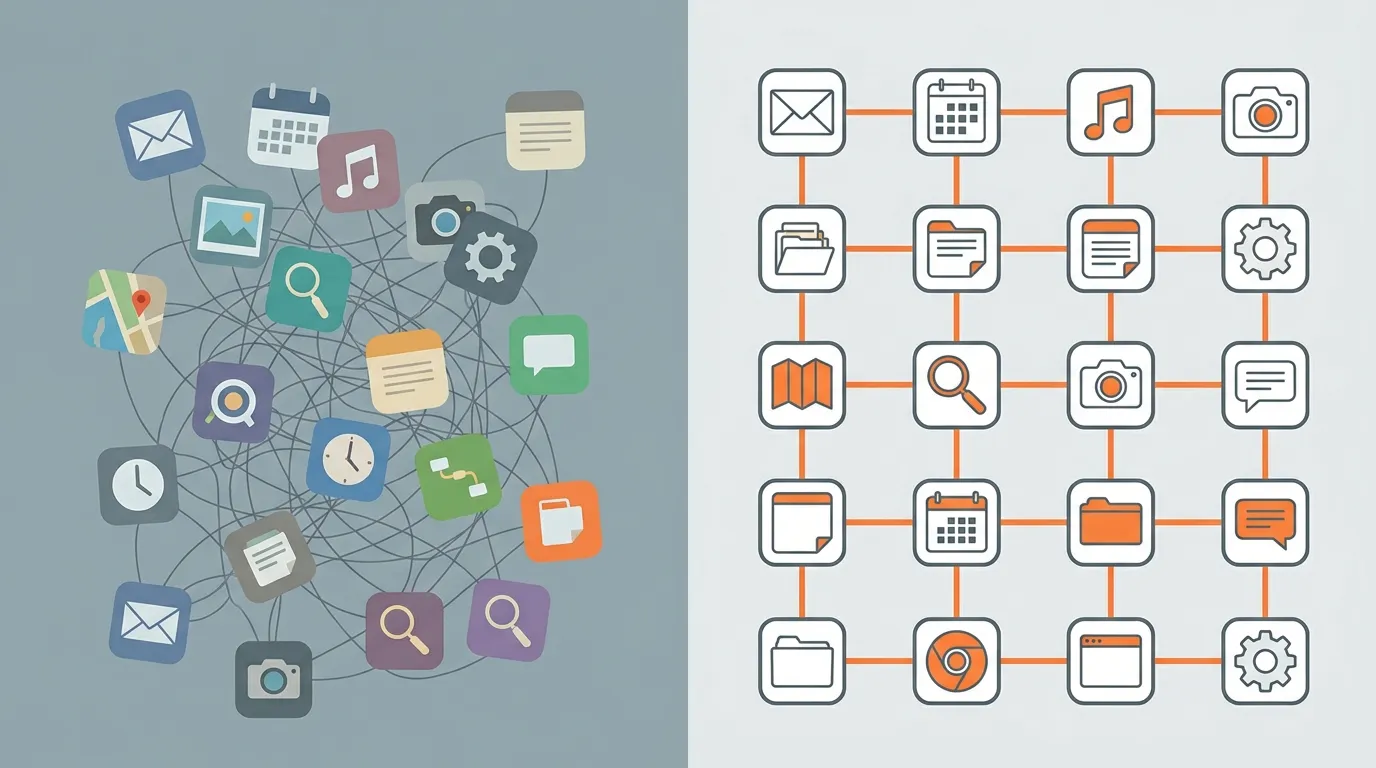
The pricing structure matters more than it looks on the surface. Off-the-shelf automation platforms often charge per task or per "zap," which means the more a business automates, the more the software costs — the opposite of the incentive a growing business actually wants. Devglim's AI solutions and custom SaaS work is built around avoiding that trap, with transparent pricing that doesn't punish a business for automating more of its own operations.
The U.S. Small Business Administration has highlighted that adopting automation and digital tools is one of the more direct ways small businesses can offset limited staff capacity without adding headcount.
That framing matters because most small businesses aren't understaffed by choice — they're understaffed because hiring is expensive and slow. Research from McKinsey on automation adoption has similarly found that businesses which automate well-defined, repetitive processes first see faster returns than those attempting broad, unfocused automation efforts across every department at once — which is part of why starting with the highest-friction manual task, rather than automating everything simultaneously, tends to produce results faster.
Frequently Asked Questions
What are AI business automation services?
They're custom-built systems that connect a business's existing tools and processes so repetitive tasks — data entry, follow-ups, approvals, reporting — happen automatically instead of requiring manual action at each step.
Is automation worth it for a very small team?
Often yes, especially when a small team is spending disproportionate time on repetitive tasks relative to its size. Comparing the ongoing cost of a subscription automation tool against a one-time custom build is worth reviewing on the pricing page before deciding.
How long does it take to build custom automation for a small business?
A focused automation build targeting one or two core workflows — like lead intake or invoicing — can often launch within a matter of weeks, with additional workflows added incrementally afterward.
Can custom automation integrate with tools we already use, like our CRM or accounting software?
Yes — this is one of the main advantages over generic automation platforms, since a custom build connects directly to the specific CRM, accounting, or communication tools a business already relies on rather than requiring a switch to new software.

Final Thoughts
The manual work eating into a small business's week usually isn't complex — it's just repetitive, and repetitive work is exactly what automation is built to remove. Custom AI automation gives a business back the hours it's been quietly losing to copy-paste tasks, without locking it into per-task pricing that punishes growth.
Ready to Automate the Work Slowing Your Team Down?
See how devglim builds custom AI automation systems, or get in touch to talk through your team's specific bottlenecks.